
Honey badger
Origins
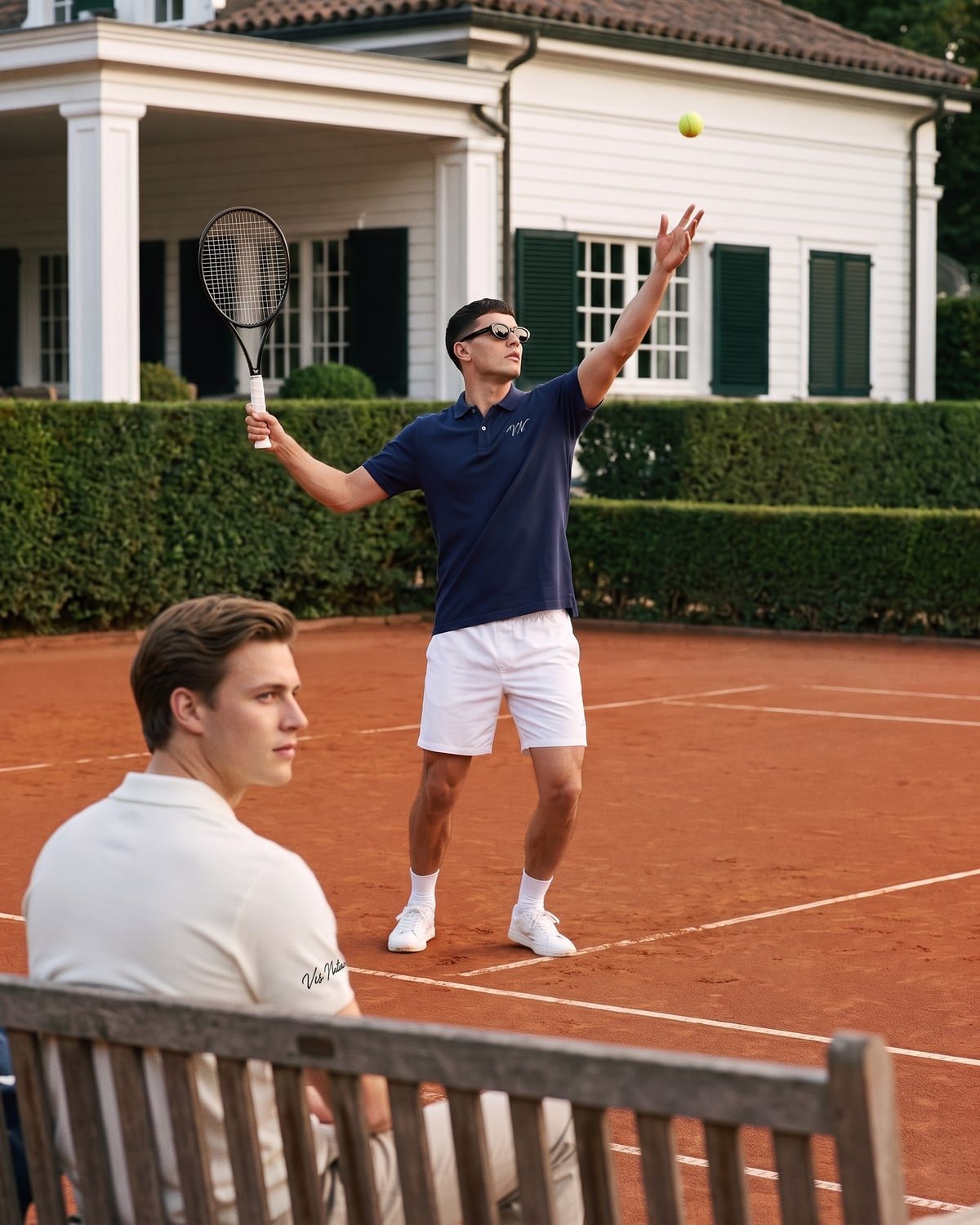
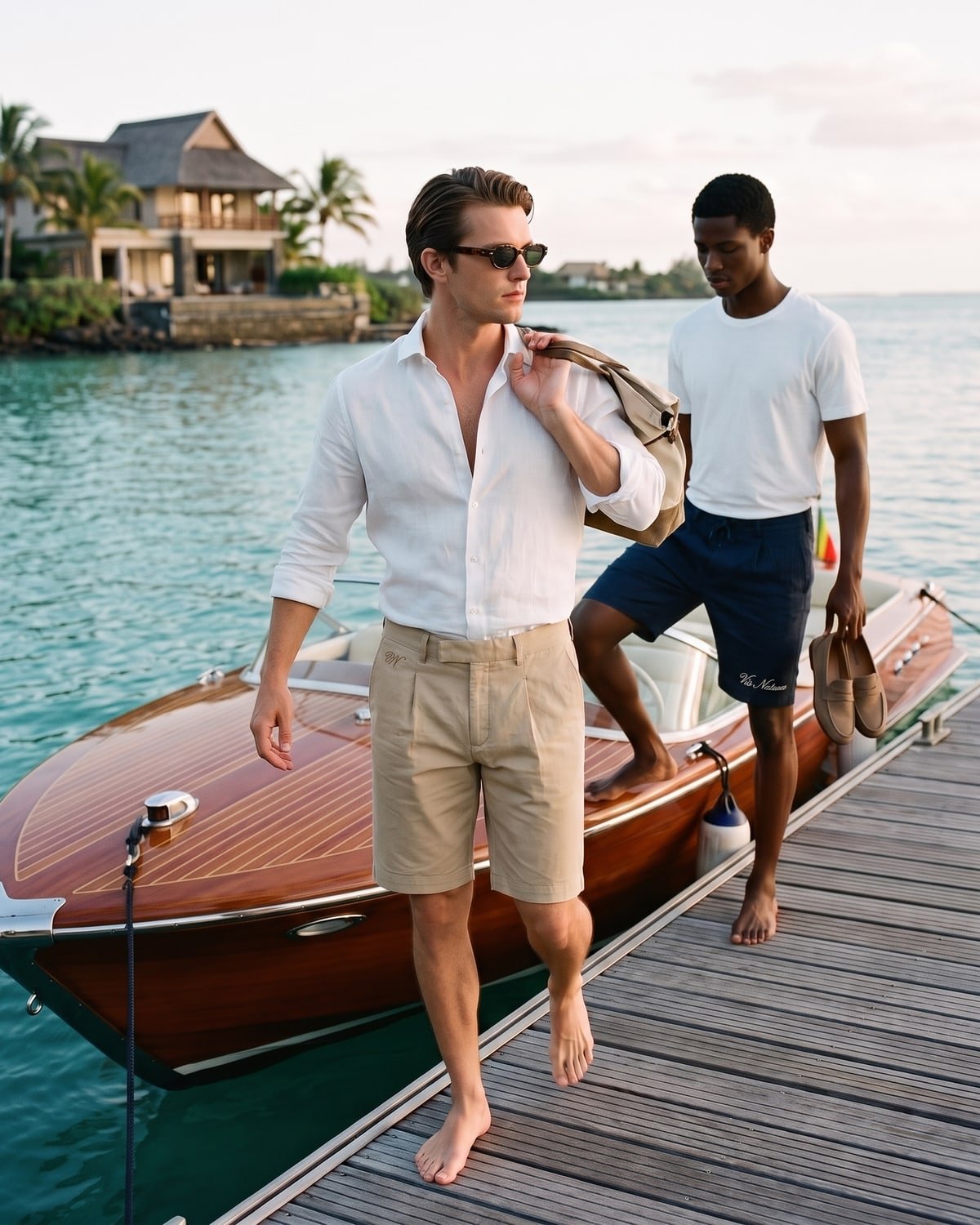
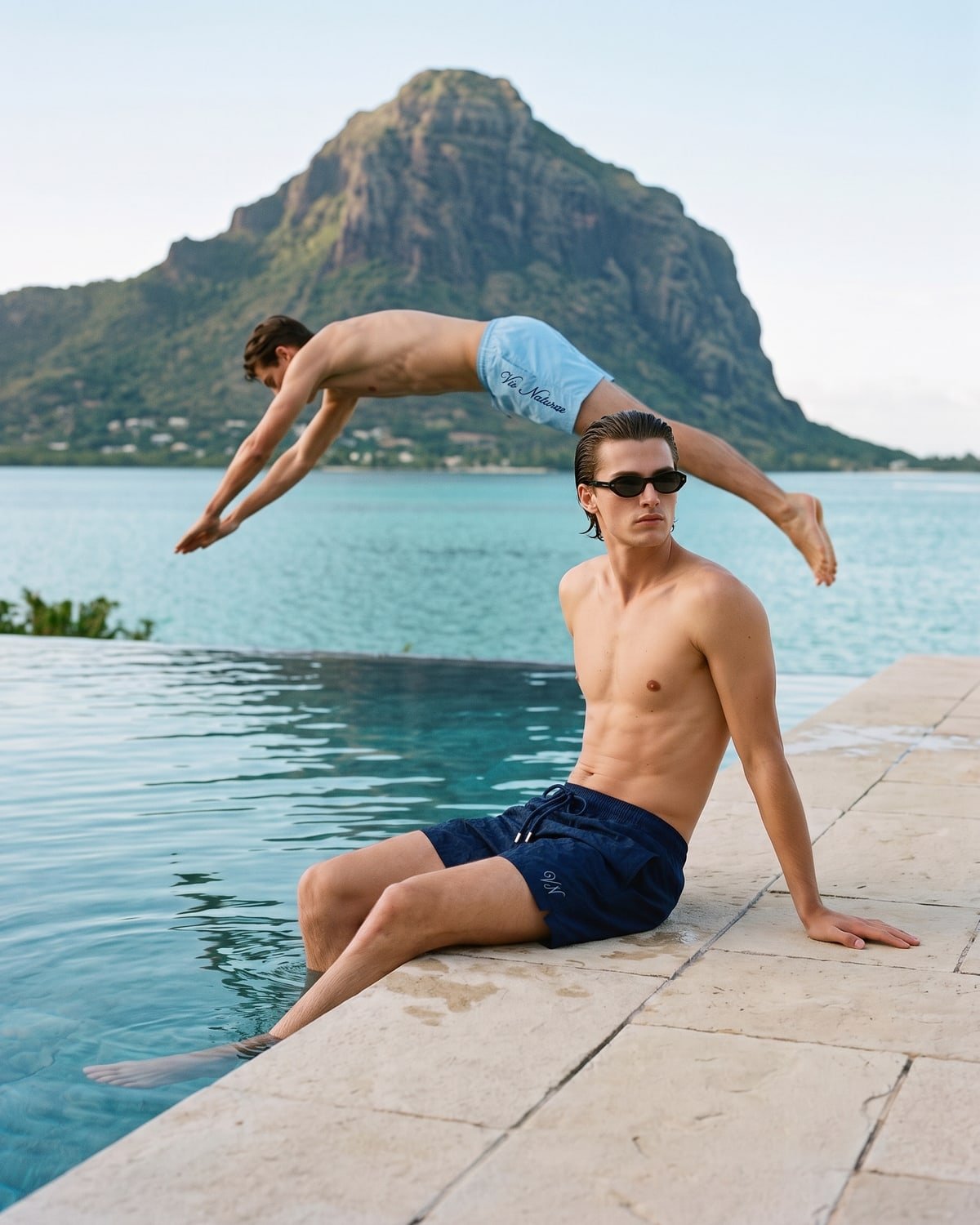
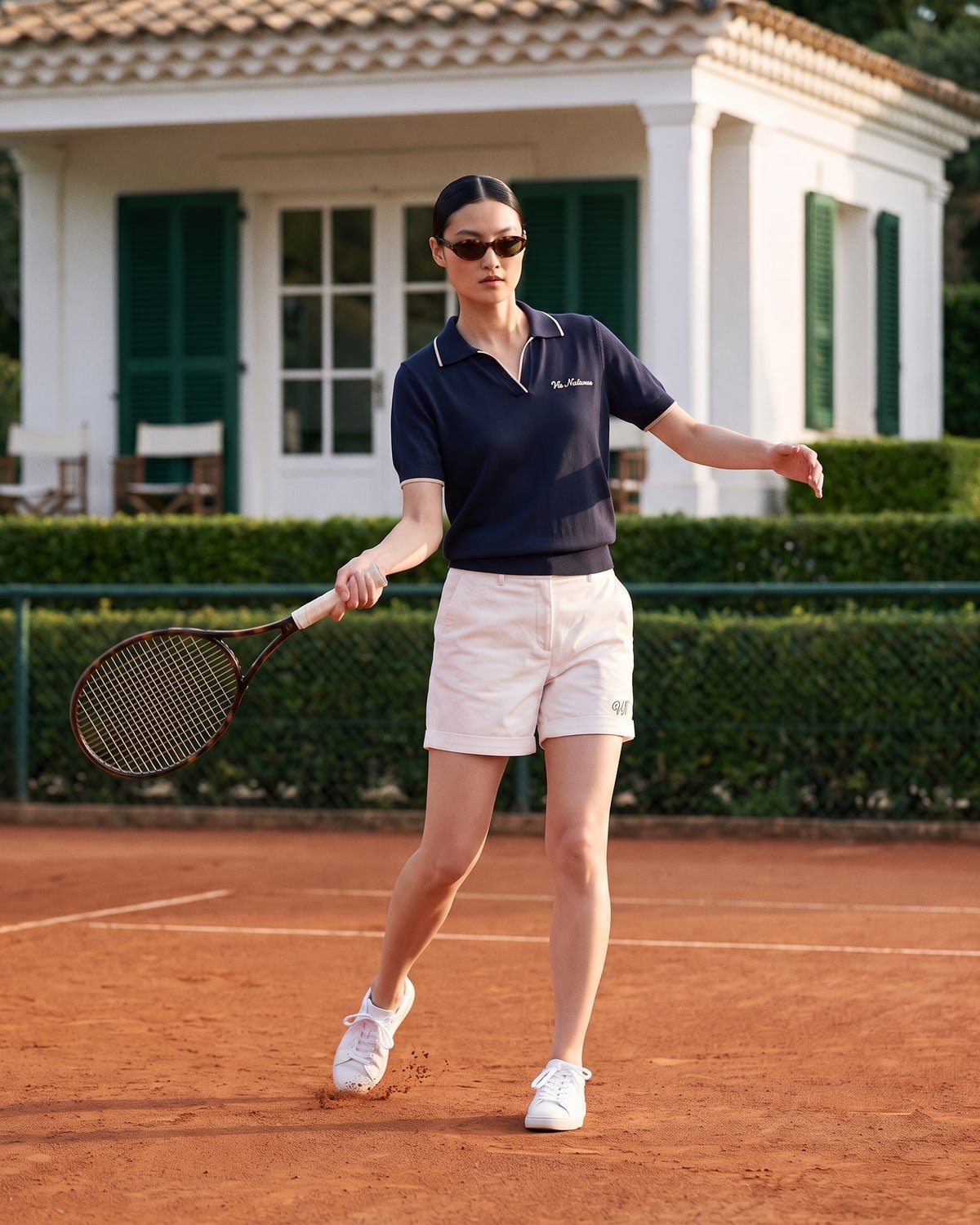
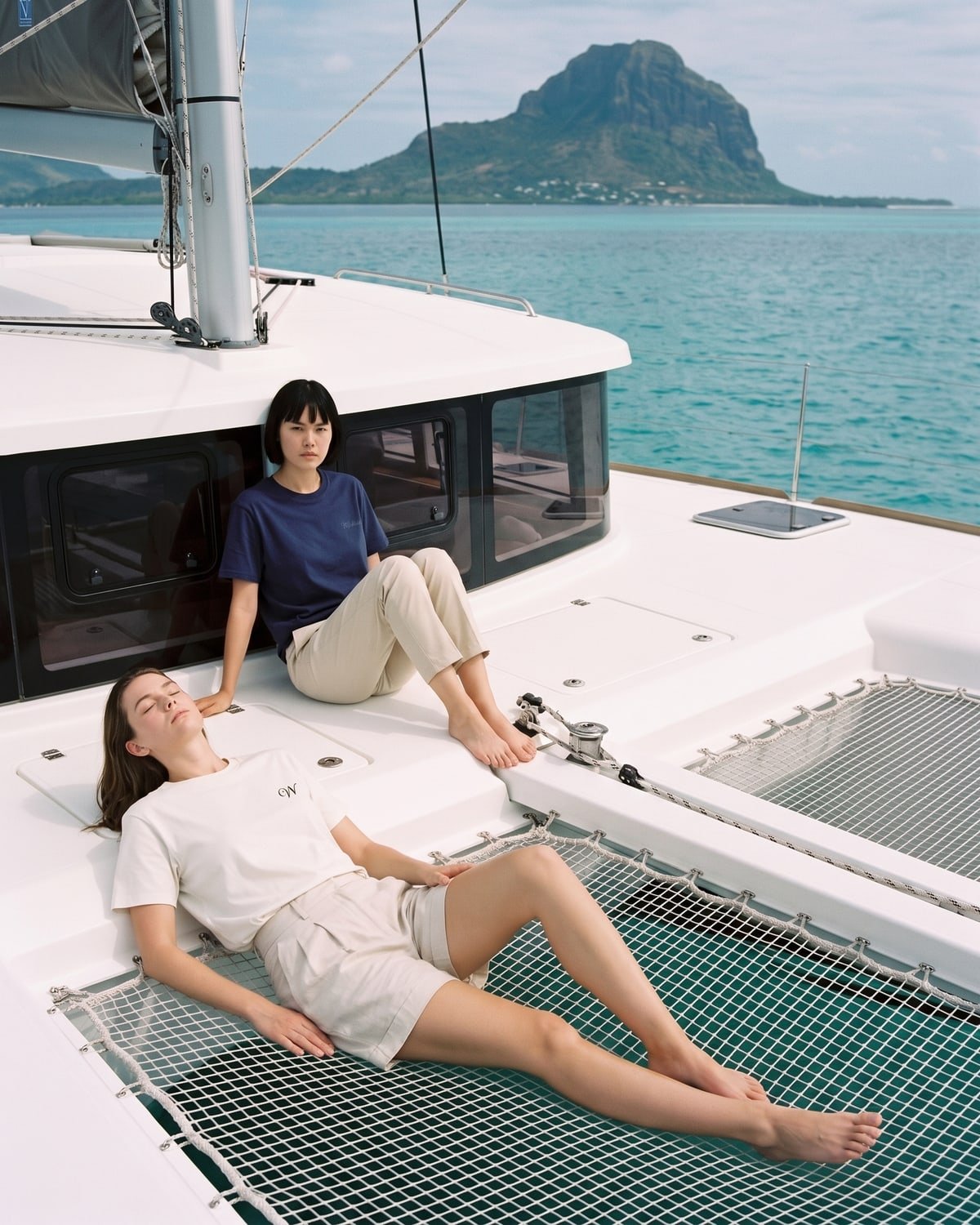
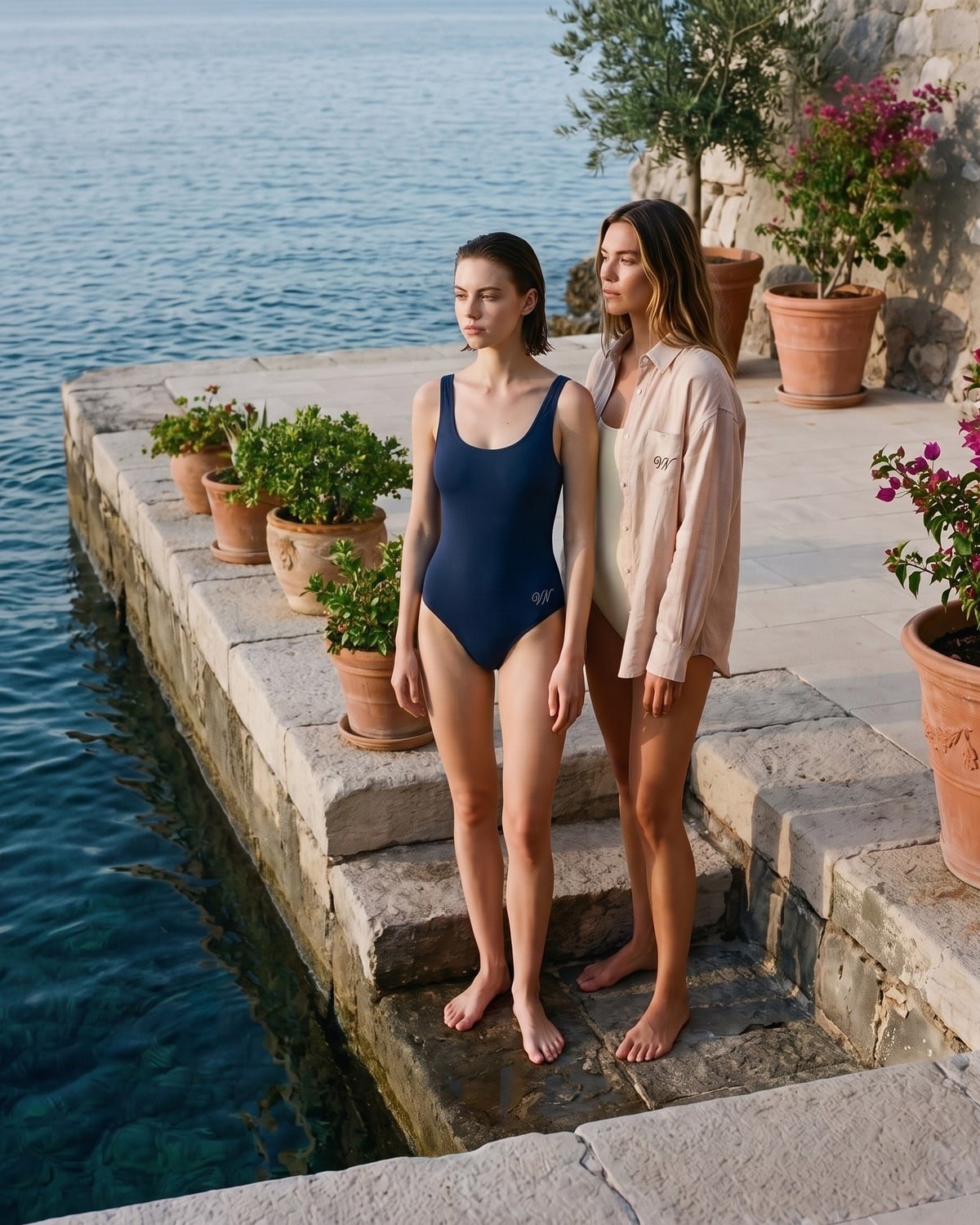
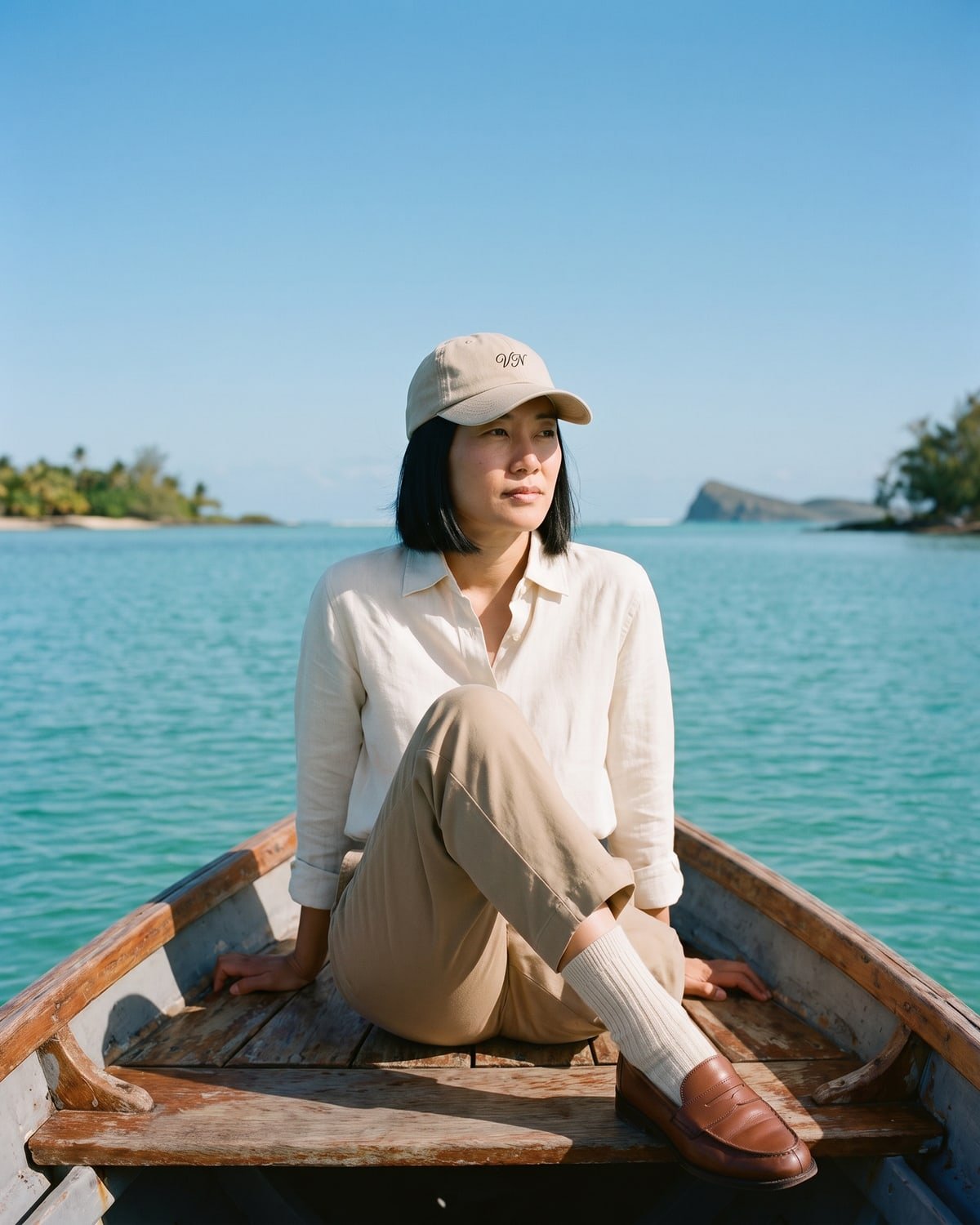
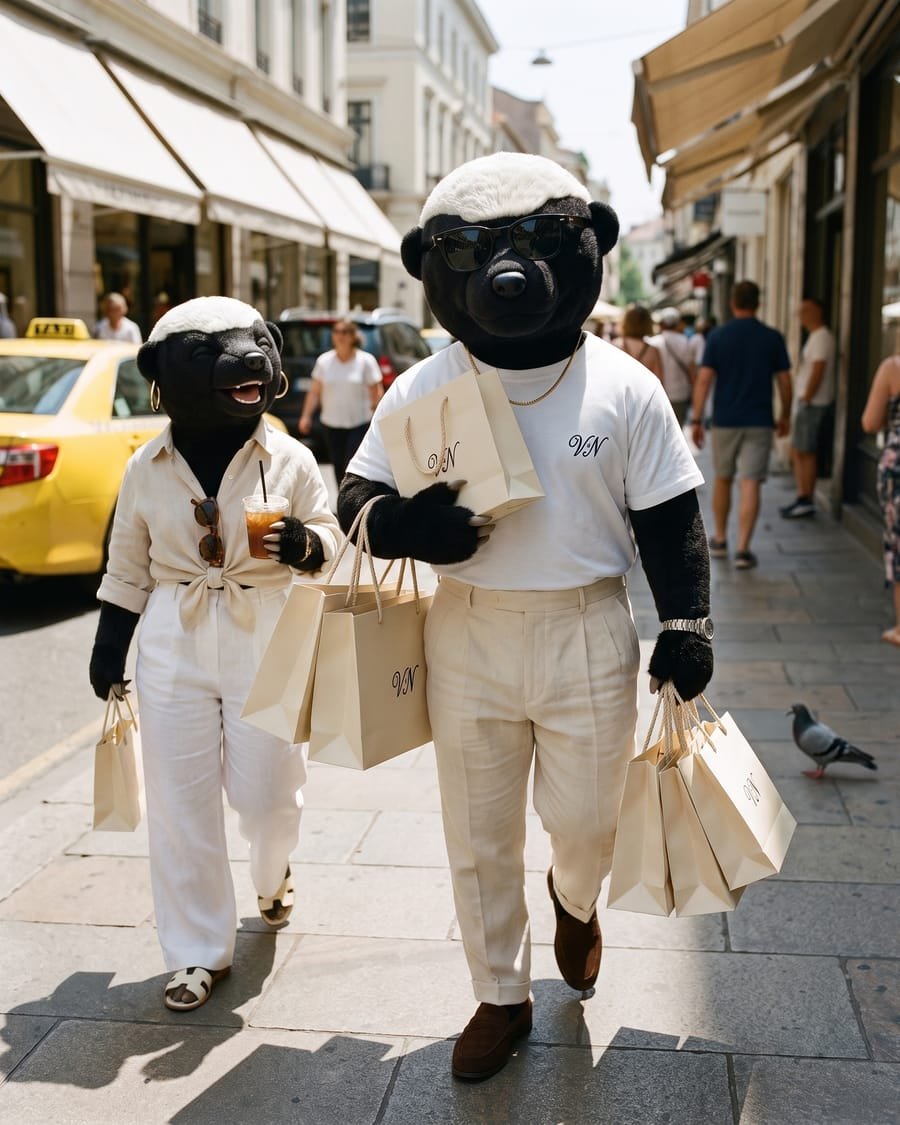
Vis Naturæ was born in 2026, in Mauritius, between years spent in Europe and an island that kept calling us home. There was no brand plan at first, just a way of living: a wave before breakfast, a match in the afternoon, a dinner that turned into a night out, and nothing in the wardrobe that could keep up.
We didn’t start Vis Naturæ simply to make clothes. We wanted the things we love, nature, style, music and sport, to be one life instead of four, and to make the pieces for it properly, at home, with people who care.
This label is for those who go all in and rest like they mean it. Those who find out the time from the colour of the sky. Those who let the tide, not the clock, decide when it’s over. And those who do not let a camera get in the way of the moment. A lot has changed since the first sketch, but the mission remains the same: to make clothes we love for the people and places we love.
Inspired by nature, to live life, not to understand, but simply to experience.
Chapter
/vɪs naˈtuːraɪ/vis na-TOO-ryeLatin · Noun phrase
Force of nature; the power by which the natural world moves, grows and renews itself.
Of a person: an energy that cannot be argued with or held back. “She is a force of nature.”
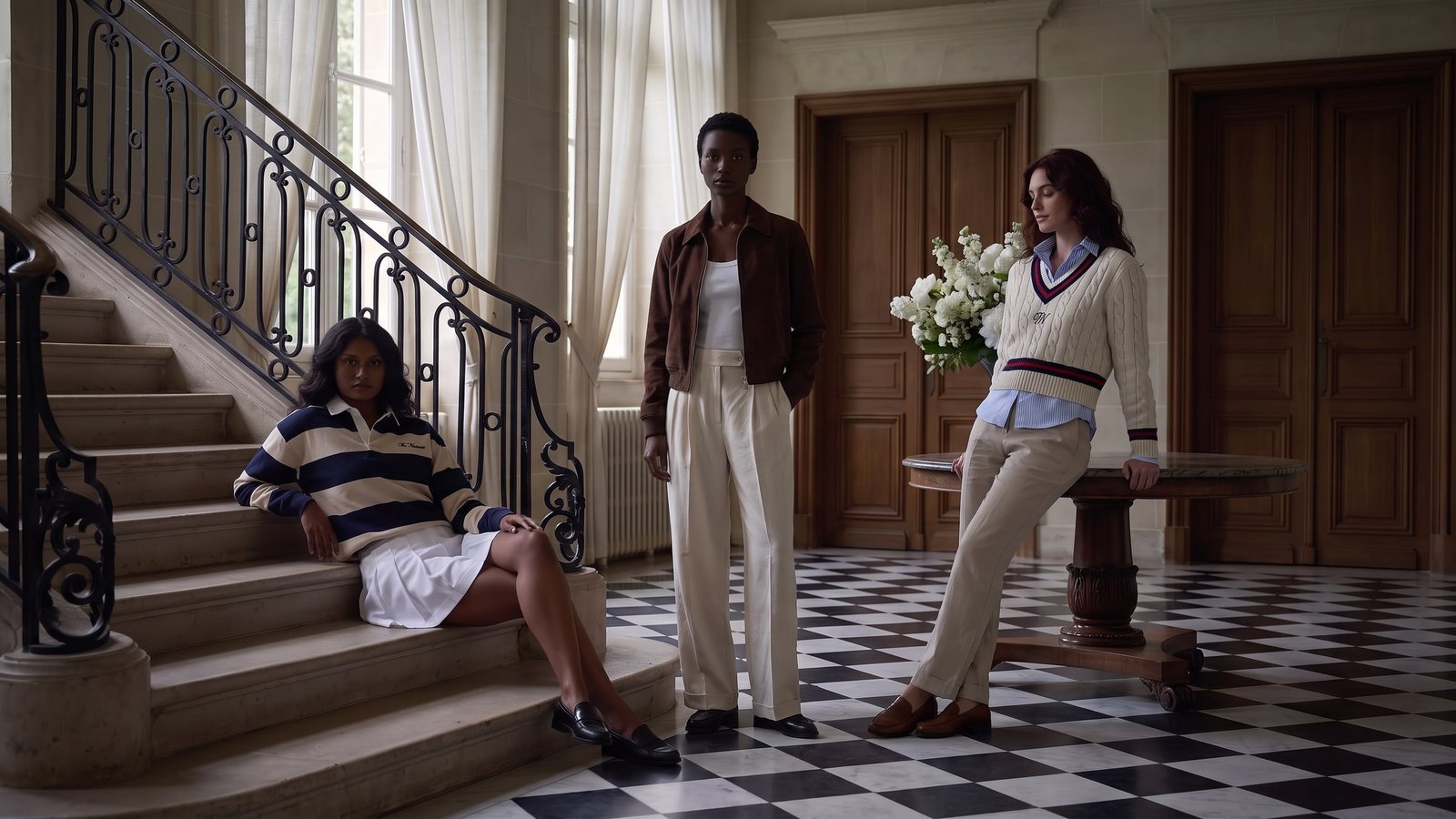
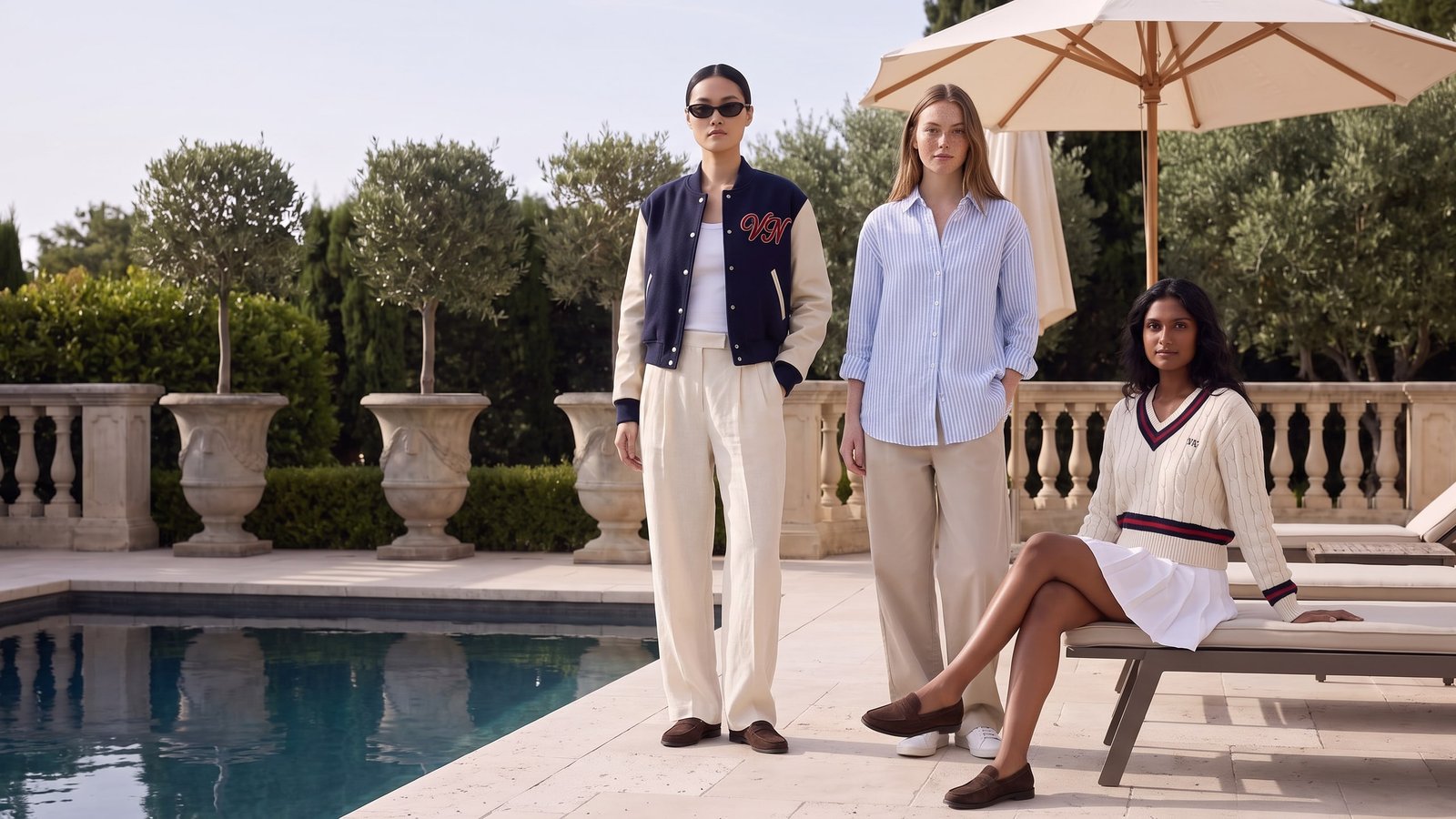
A clothing label for men and women, founded in 2026 and made by hand in Mauritius.
Synonyms
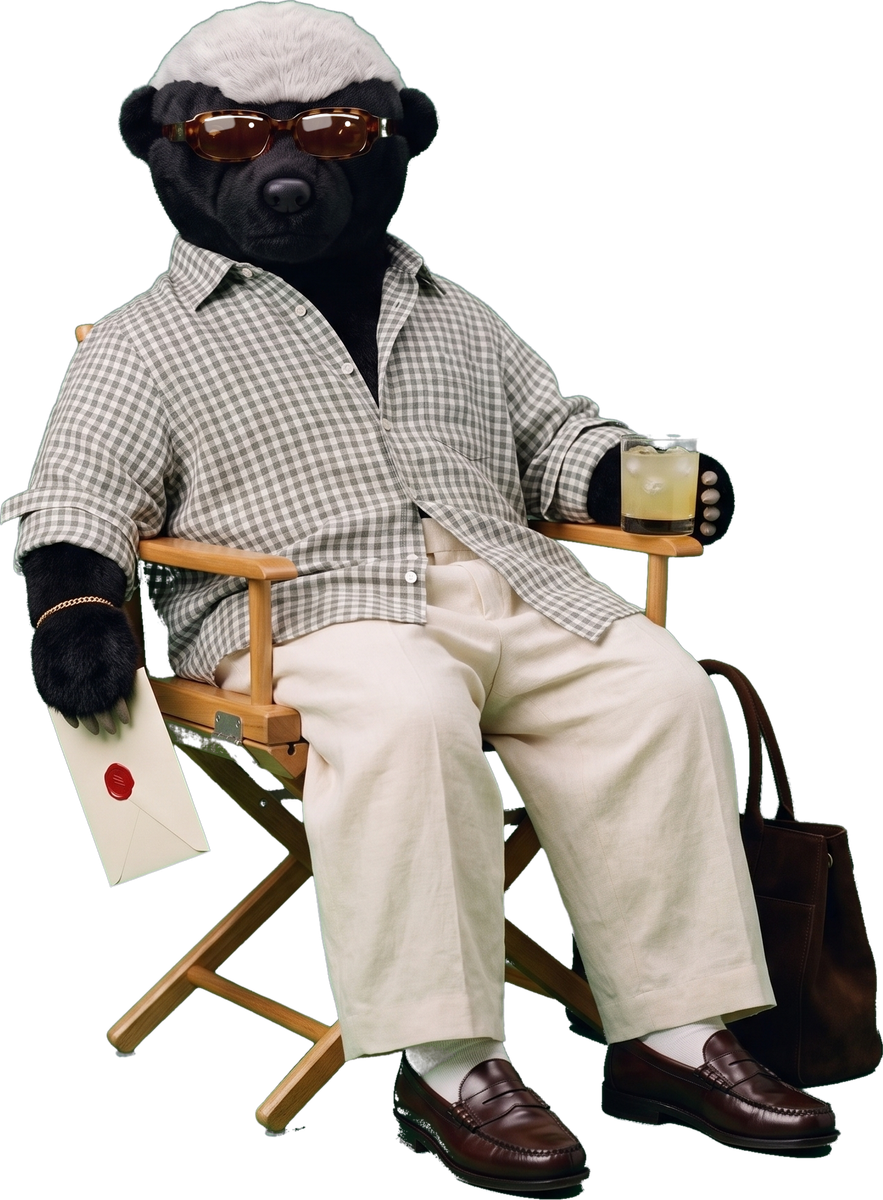
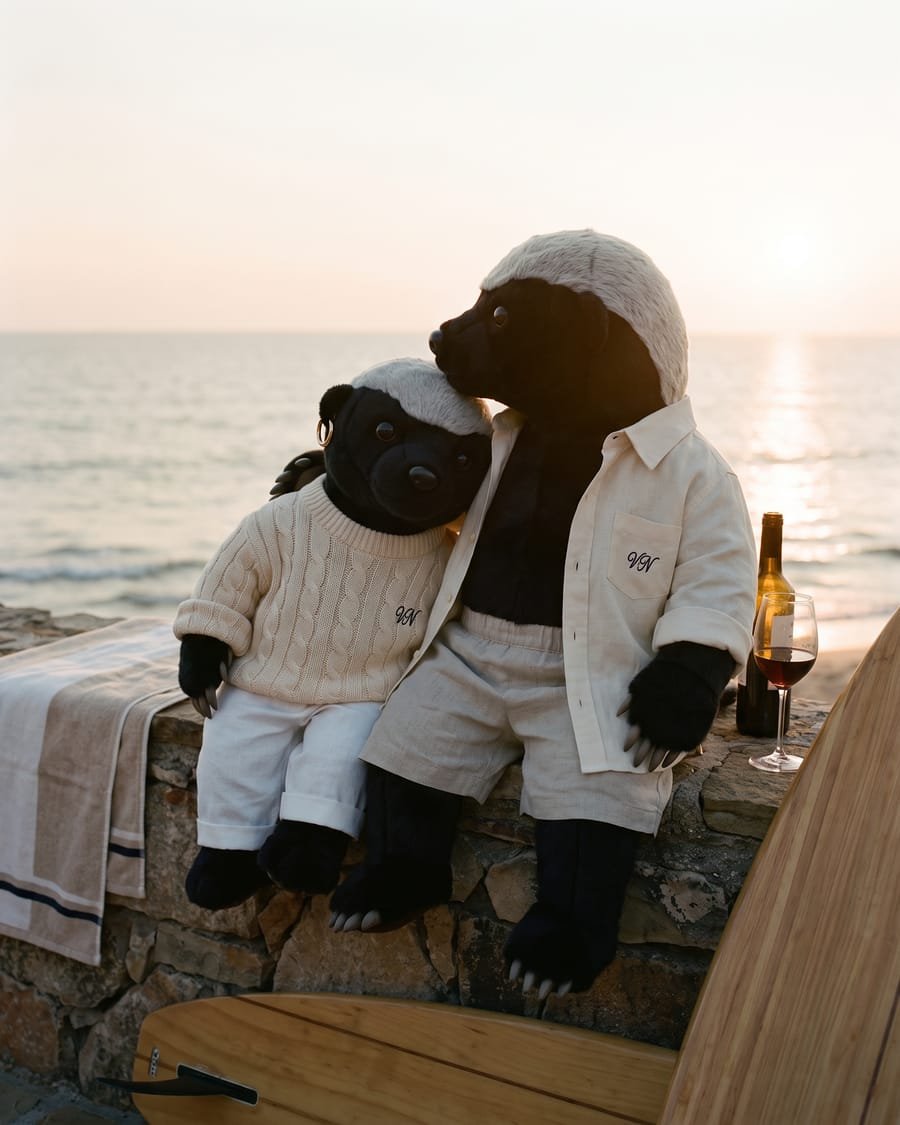
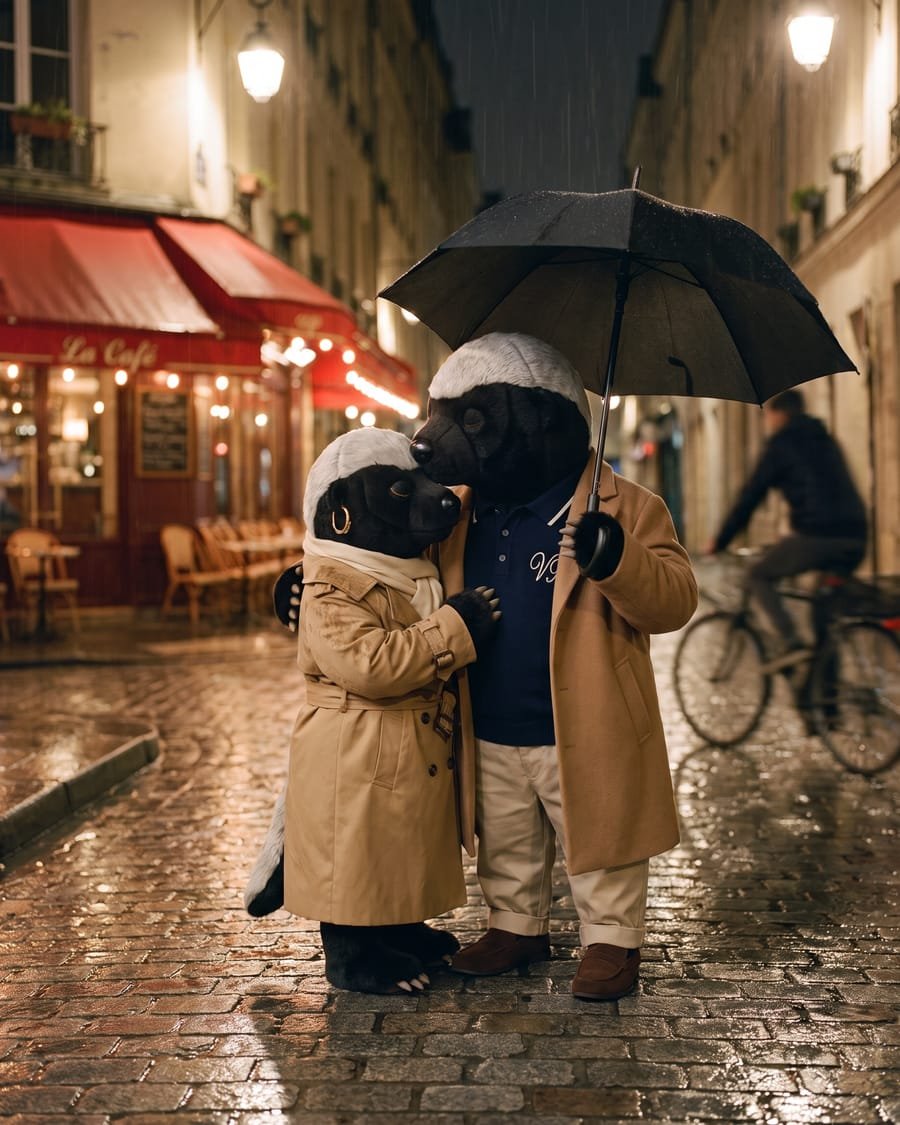
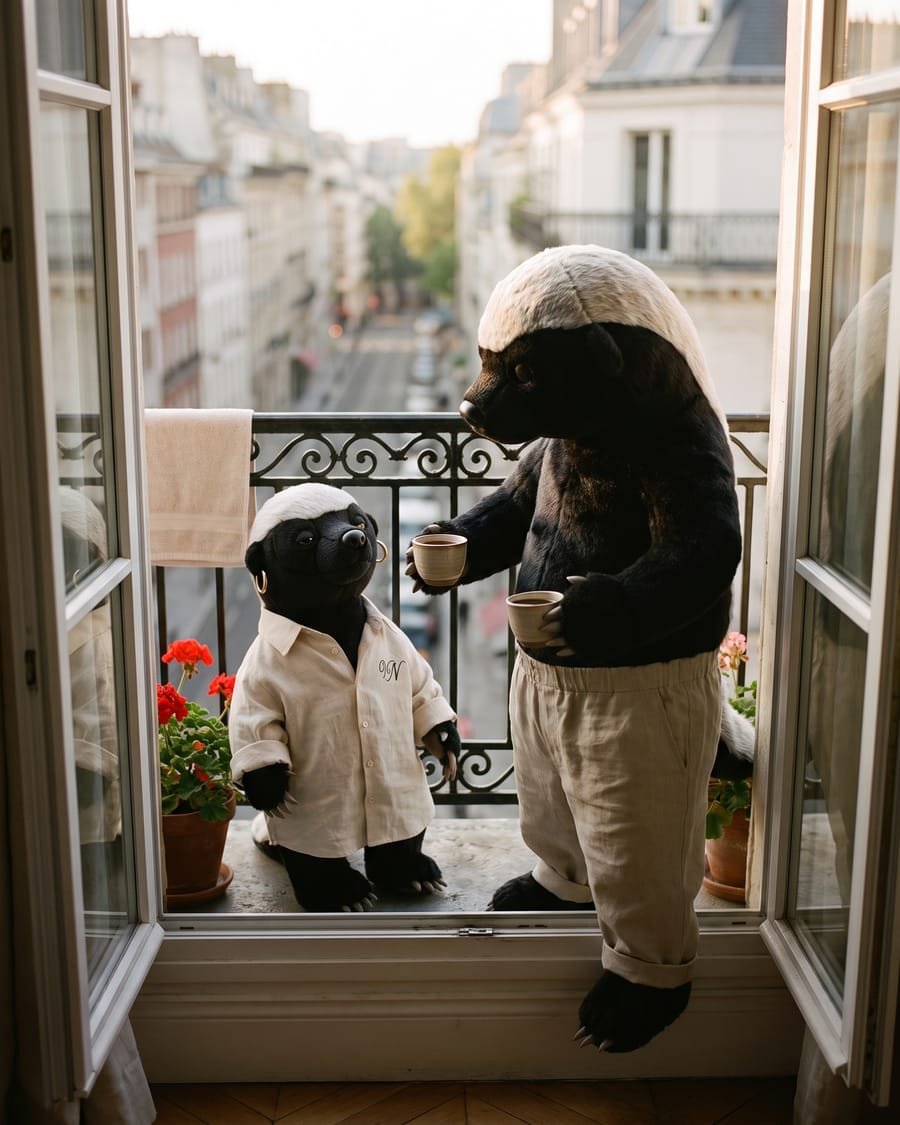
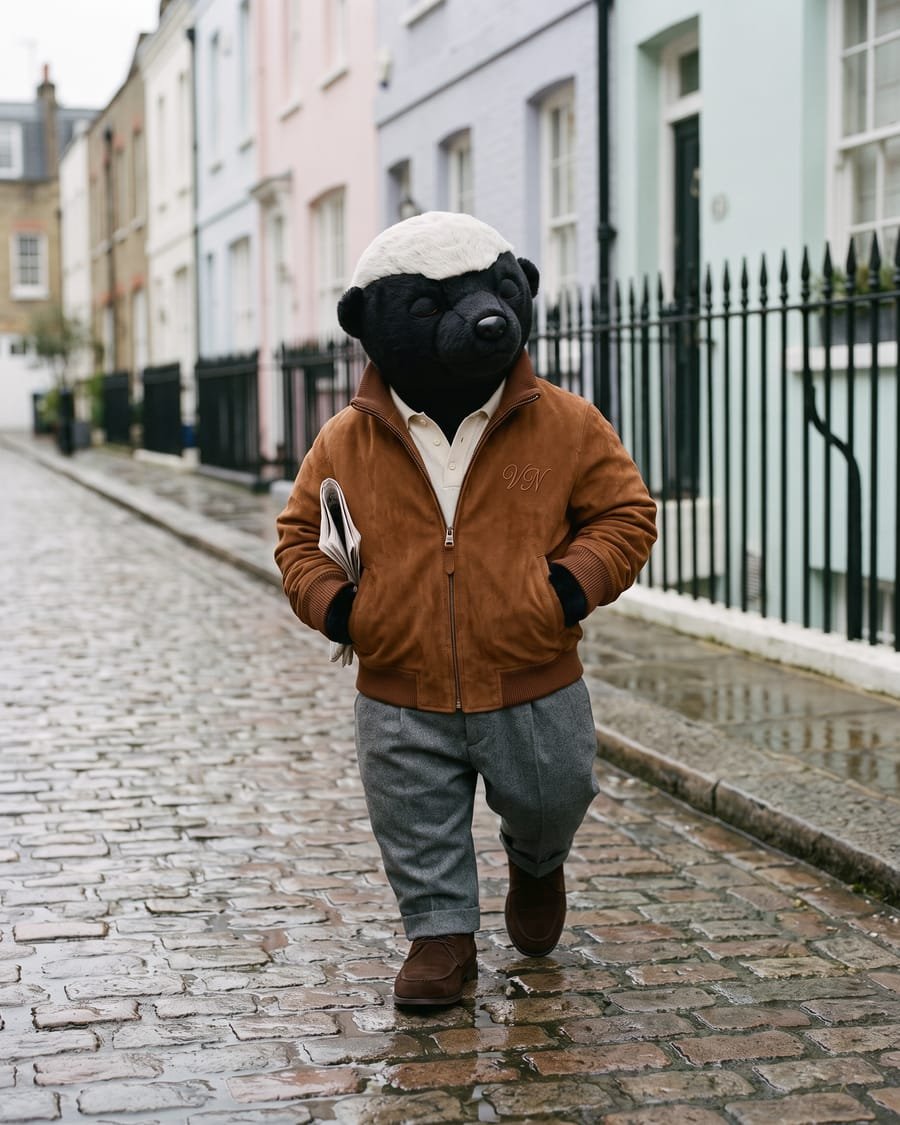
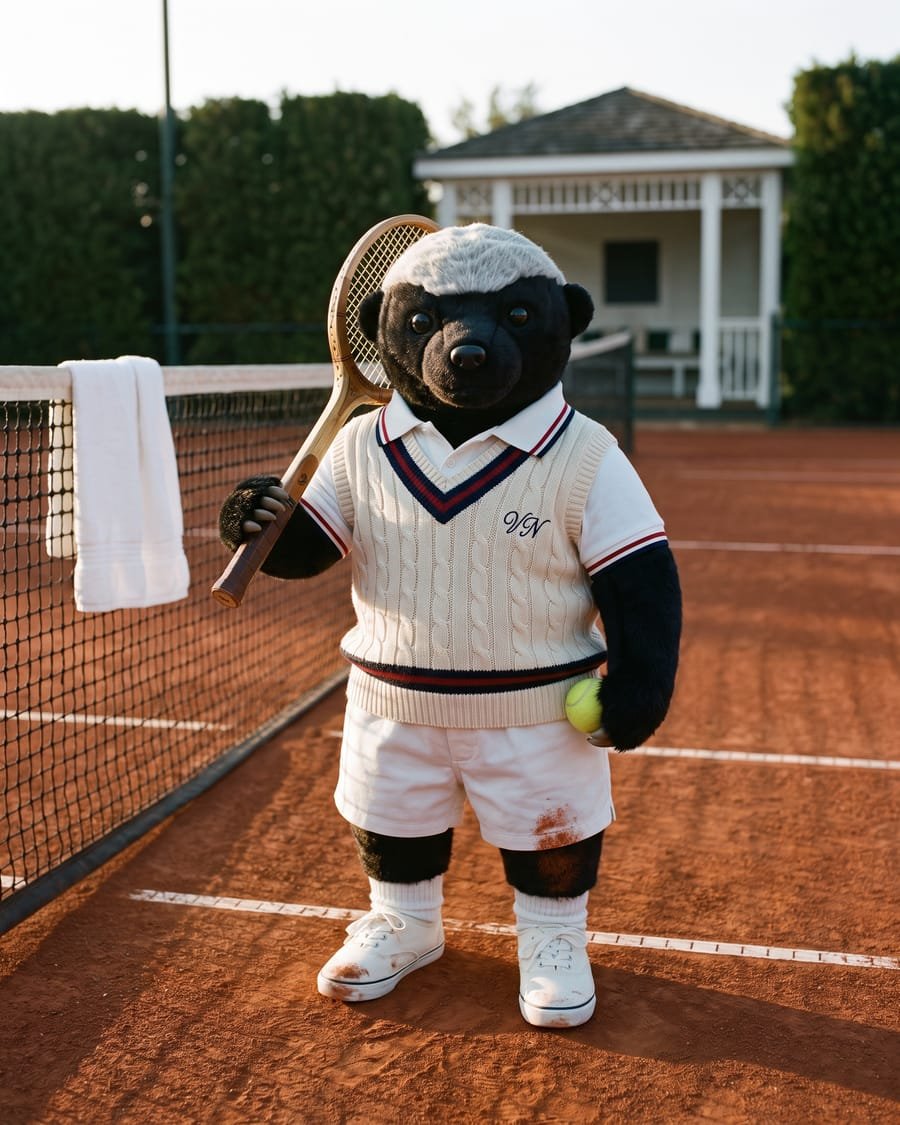
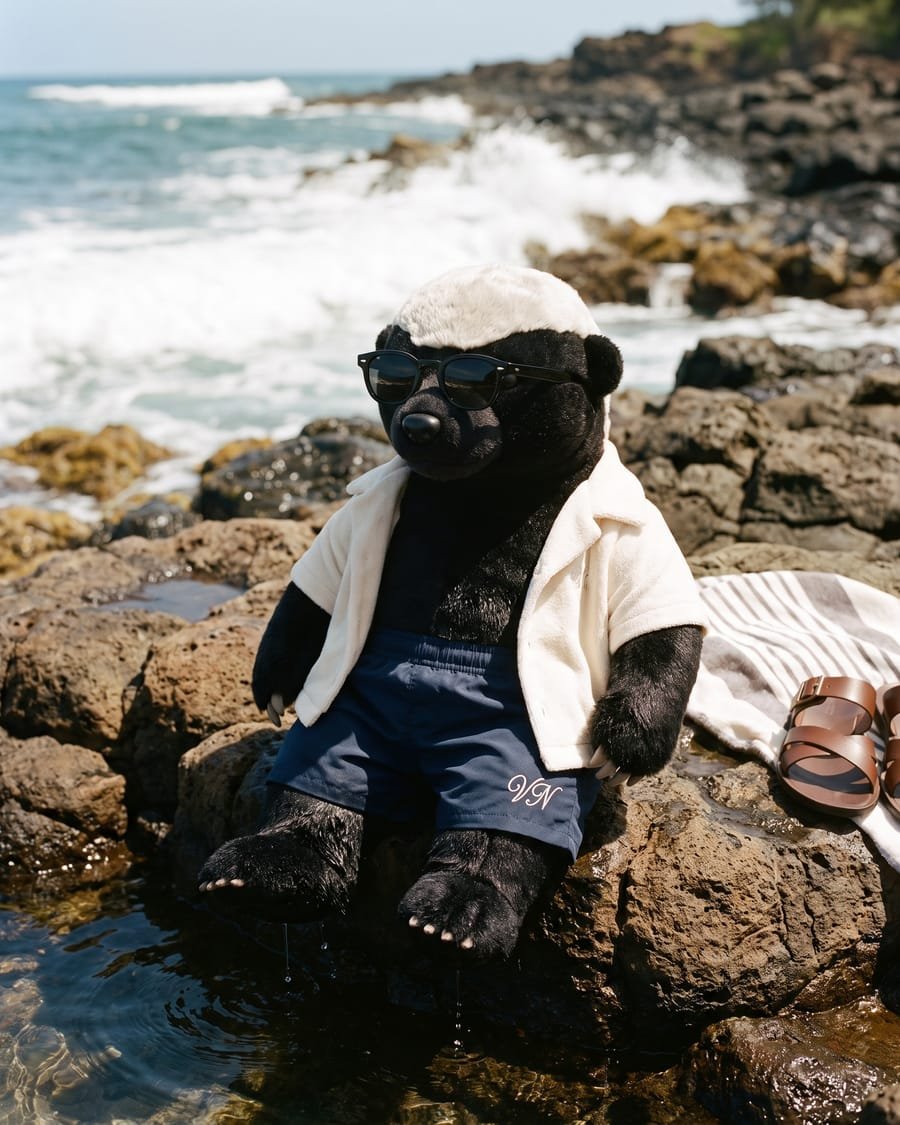
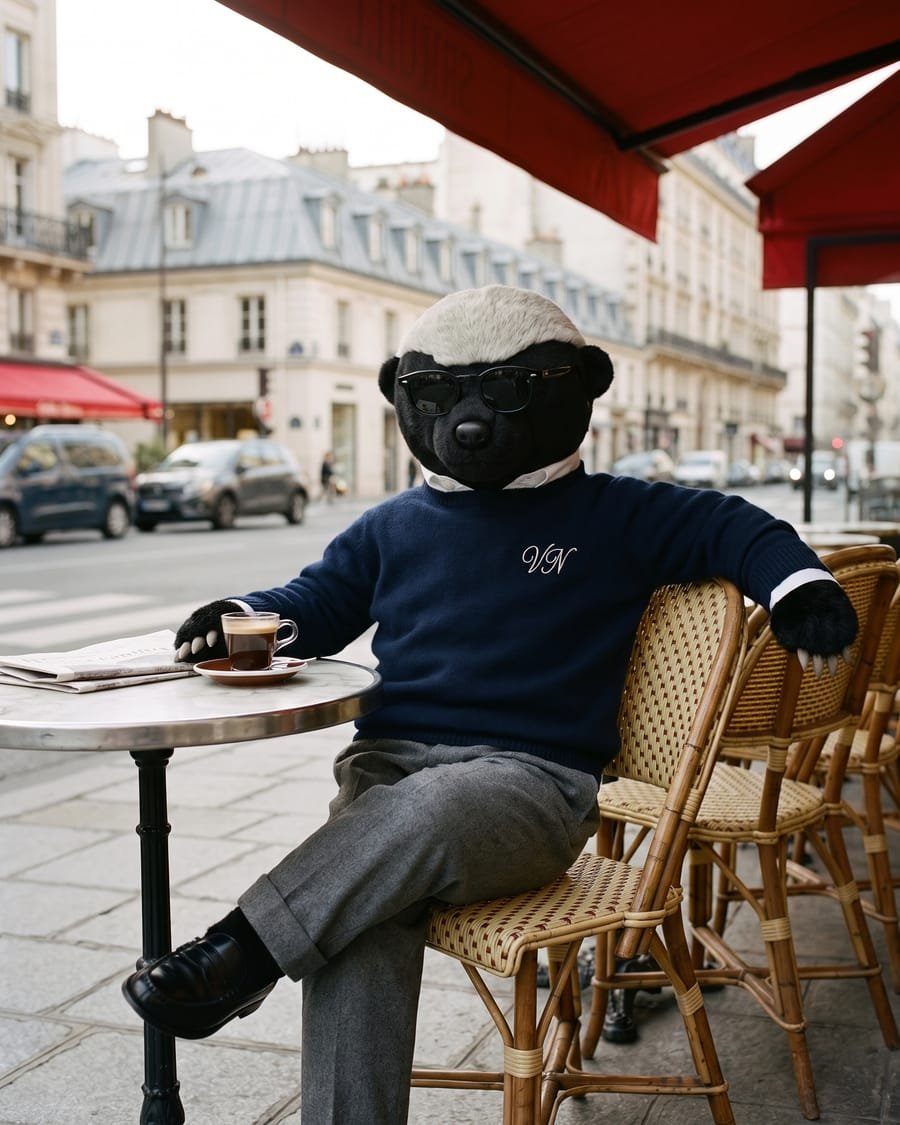
force of nature · vigour · vital force · honey badger
Origin
From Latin vīs, “force, strength”, and nātūrae, “of nature”, the genitive of nātūra. Nātūra grew from nātus, “born”: before it meant the natural world, it meant birth, and then the character a thing is born with.
History
The Romans used natura for the Greek physis, the order of the living world, and Lucretius called his poem on how the world works De rerum natura. Natural philosophy kept vis for the forces it found, from the physician’s vis medicatrix naturae, the healing power of nature, to Newton’s vis inertiae in 1687. In Classical Latin the name sounded like “wees naa-TOO-rye”. Scribes and printers later joined the a and e of its ending into one letter, æ.
The name, worn
Force. Clothes for people who go all in, then rest like they mean it, like the badger on the label. Nature. The island the clothes are made on, and the sea and forest they are made for. Birth. The character a thing is born with: made by hand, made to last, and repaired for life. And the æ, two letters made one, is the red letter at the end of the name.
Chapter
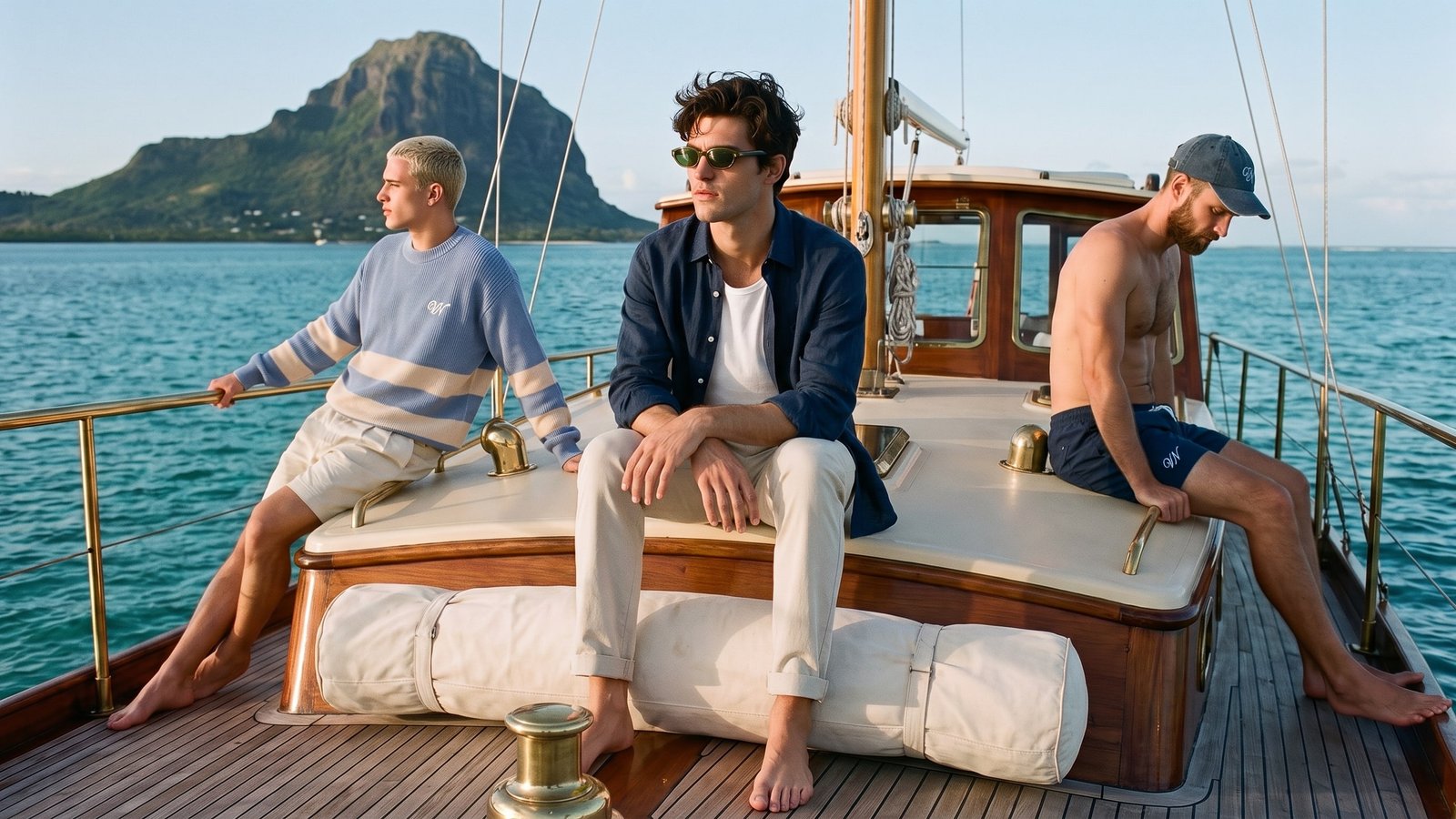
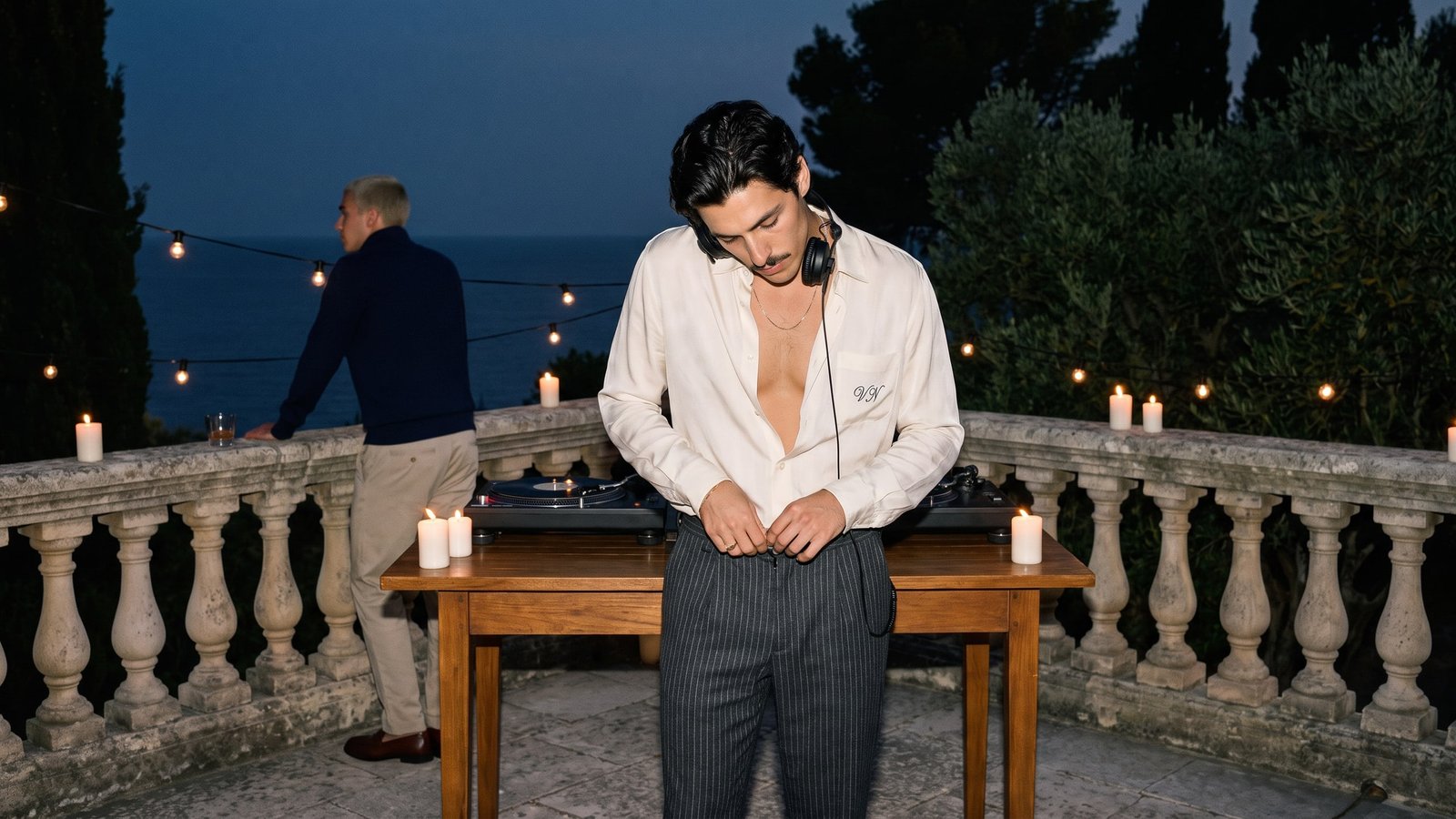
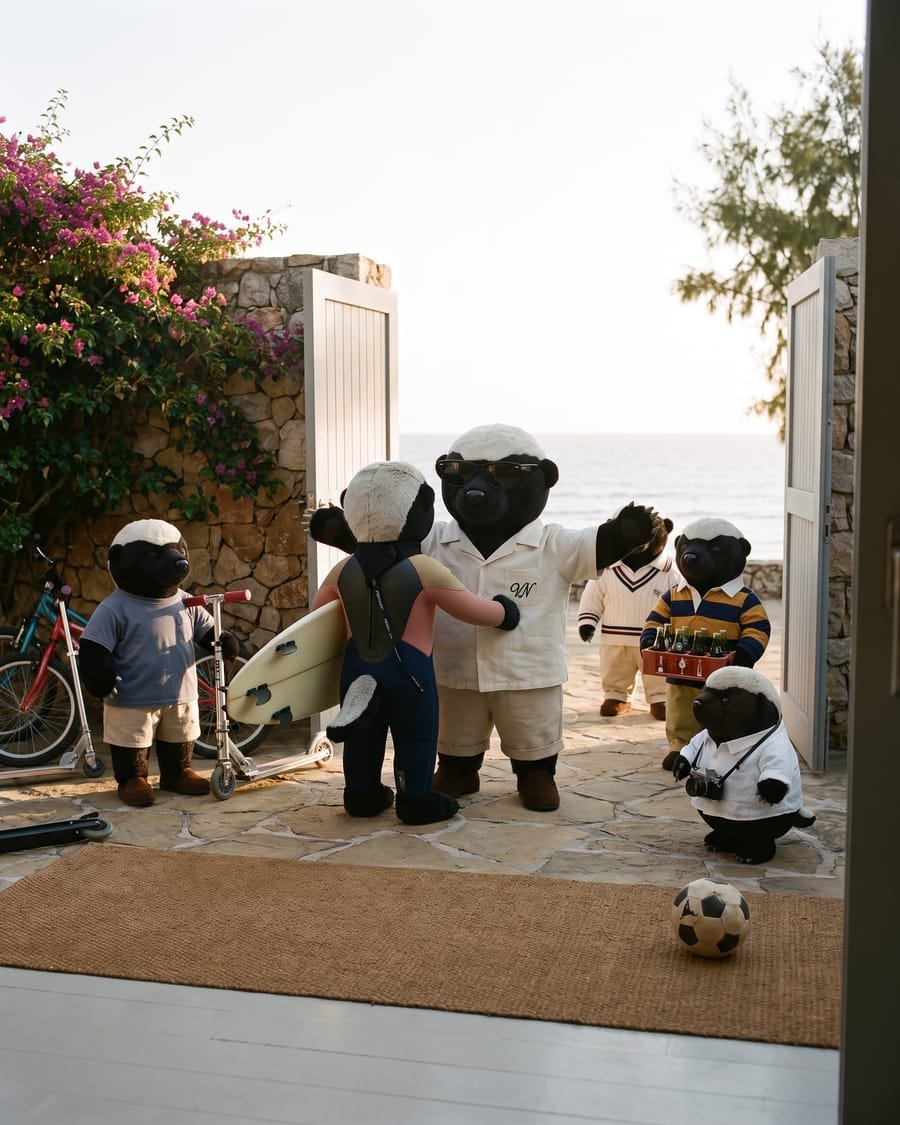
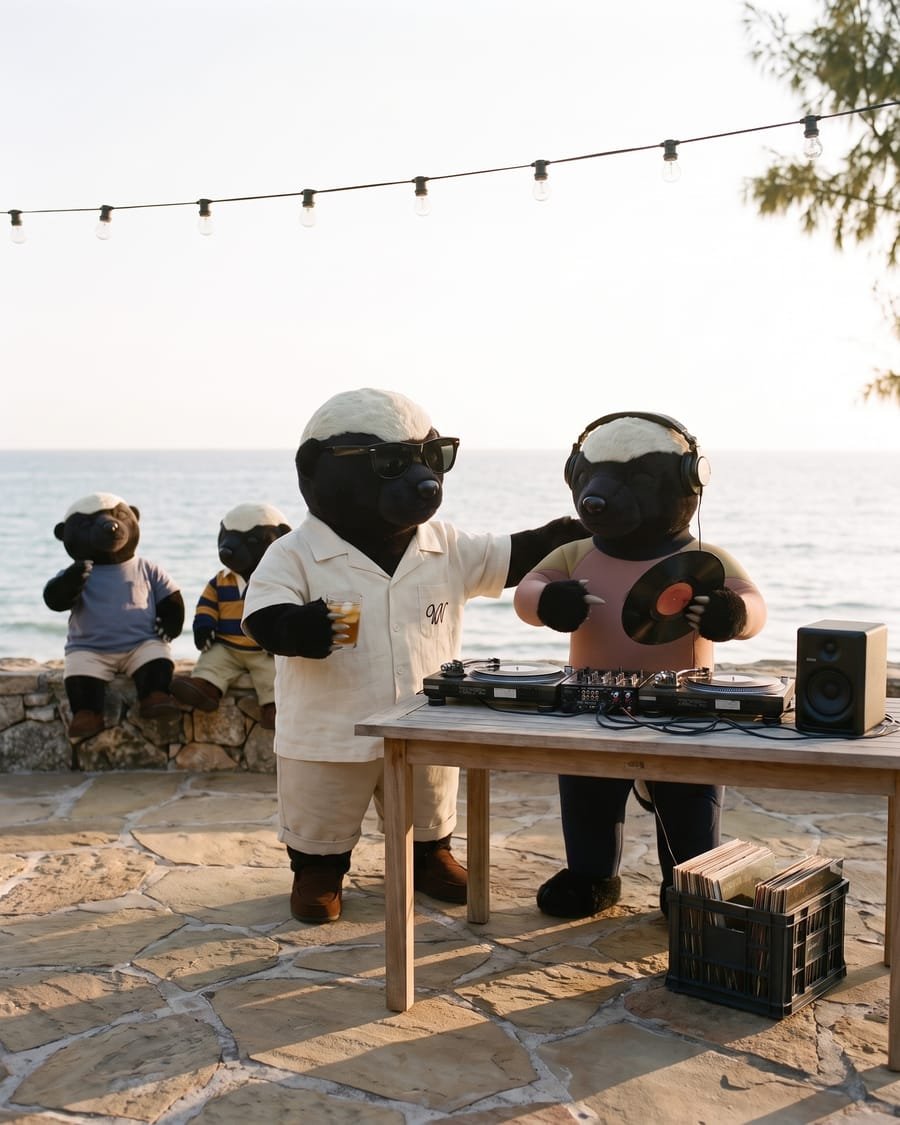
It starts on an adventure, at first light: the same break every morning, wax on the board, salt in the hair. Then catching the one that barrels, inside it, the whole world gone quiet for a second, and out the other side. Breakfast after, shared with your loved ones, and lots of it: fruit cut that morning, a little taste of what nature has to offer, until nobody can fit another bite. The same faces since school, the ones picked up along the way, the ones met in the lineup; nobody needs an invitation. One of them mixing songs on the deck, another shooting it all on film that nobody will see for months.
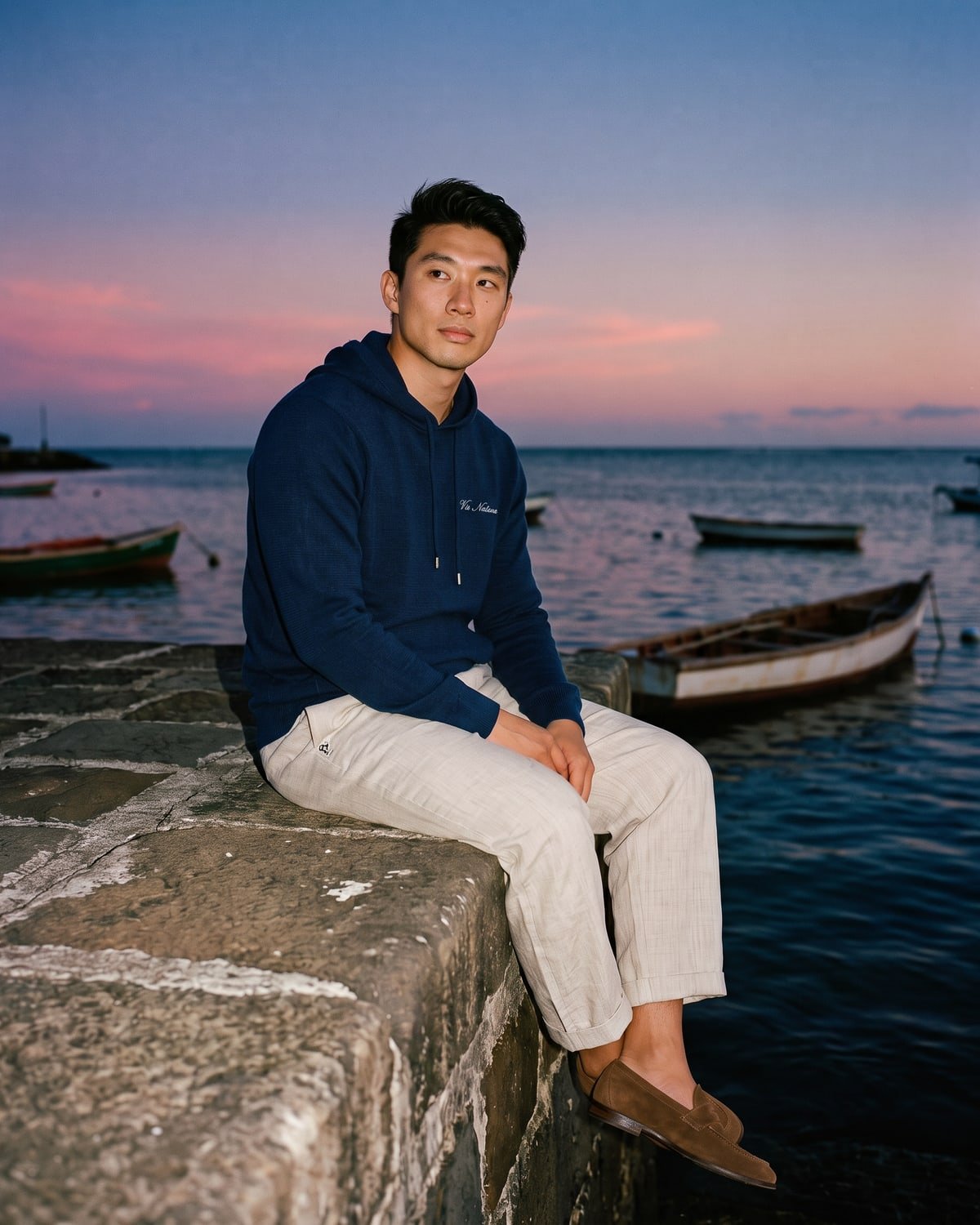
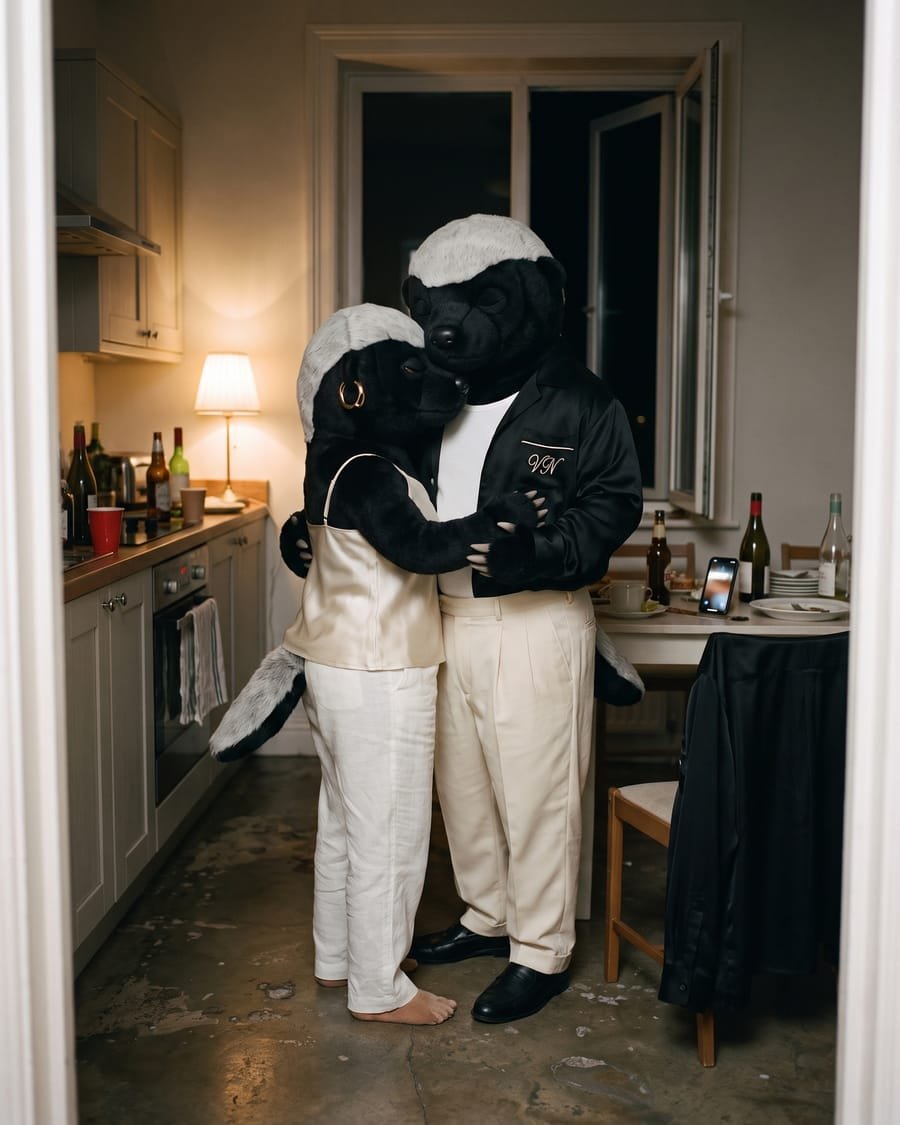
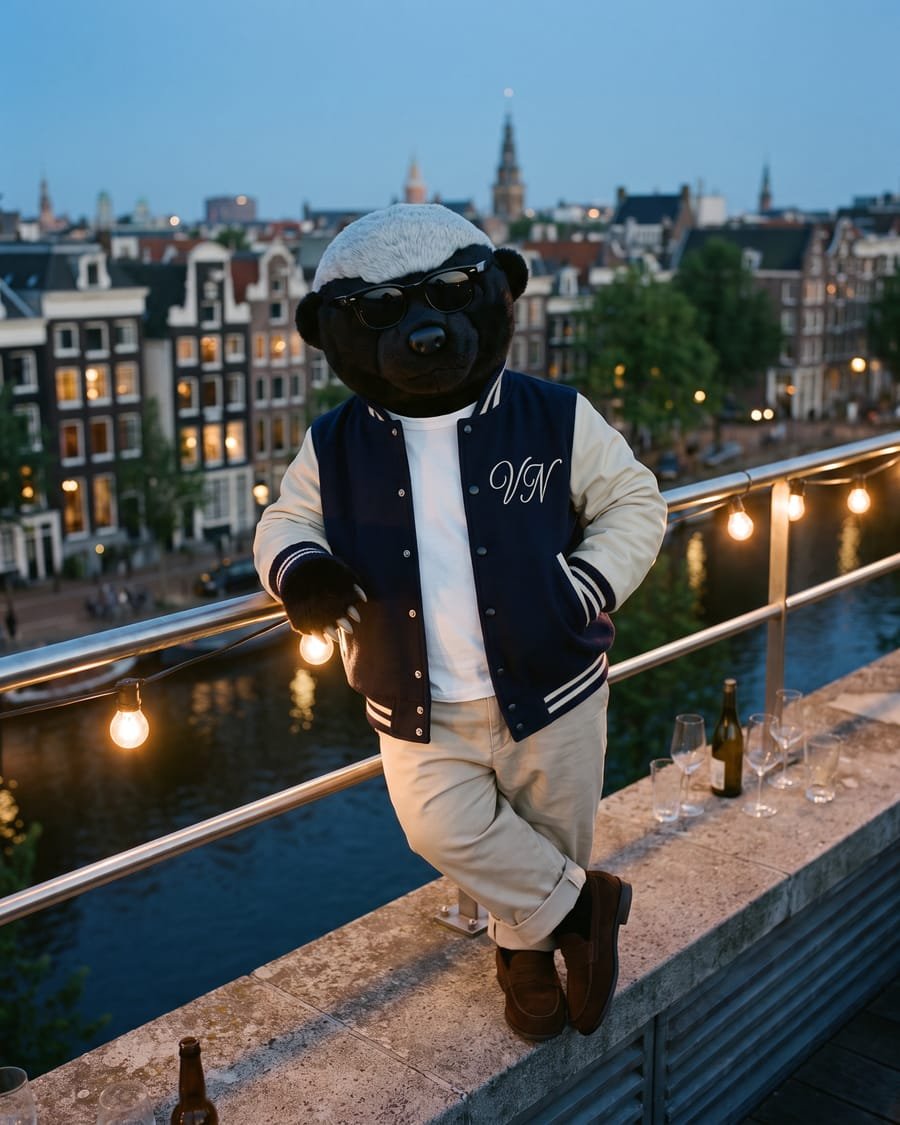
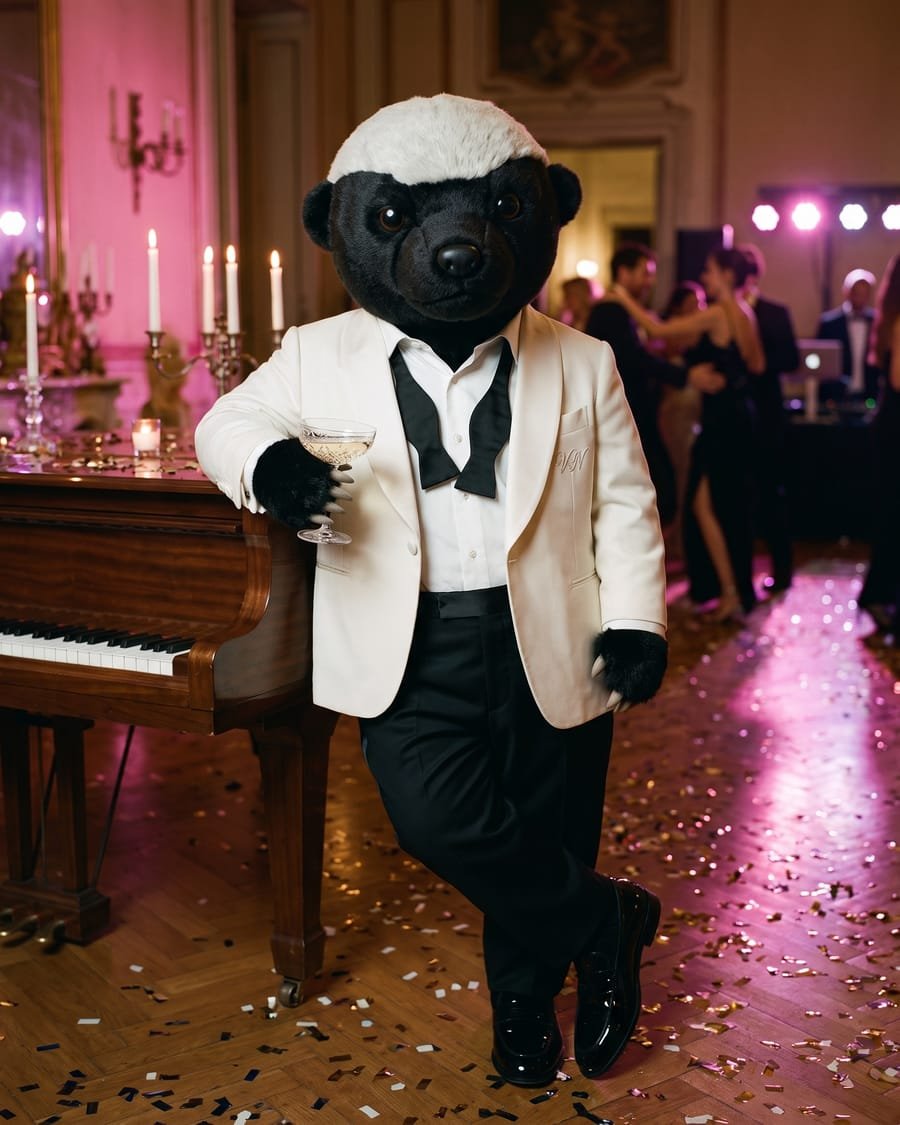
One drink at sunset, by the canals, in a pub or a bistro, turns into three, then into a plan nobody agreed to, then on to someone's kitchen in Amsterdam, a rooftop in London, a courtyard in Paris. Songs played on repeat until they belong to a summer, so that one melody, years later, brings the whole night back.
Sleep can happen tomorrow.
Lost in the sauce, found again at sunrise, and paddling out anyway, because the feeling of that wave and the stories to tell are what get you up in the morning and keep you up at night.
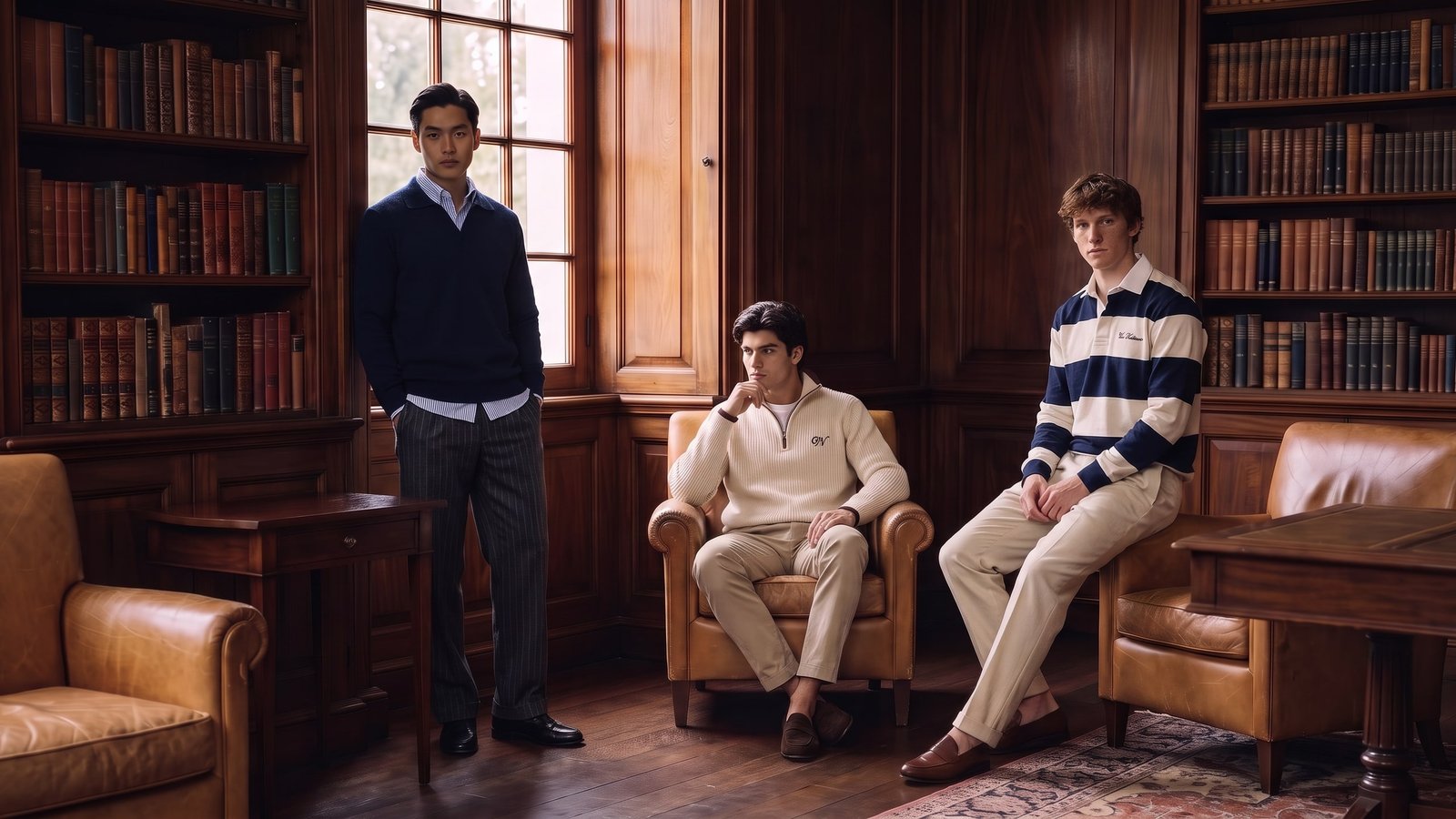
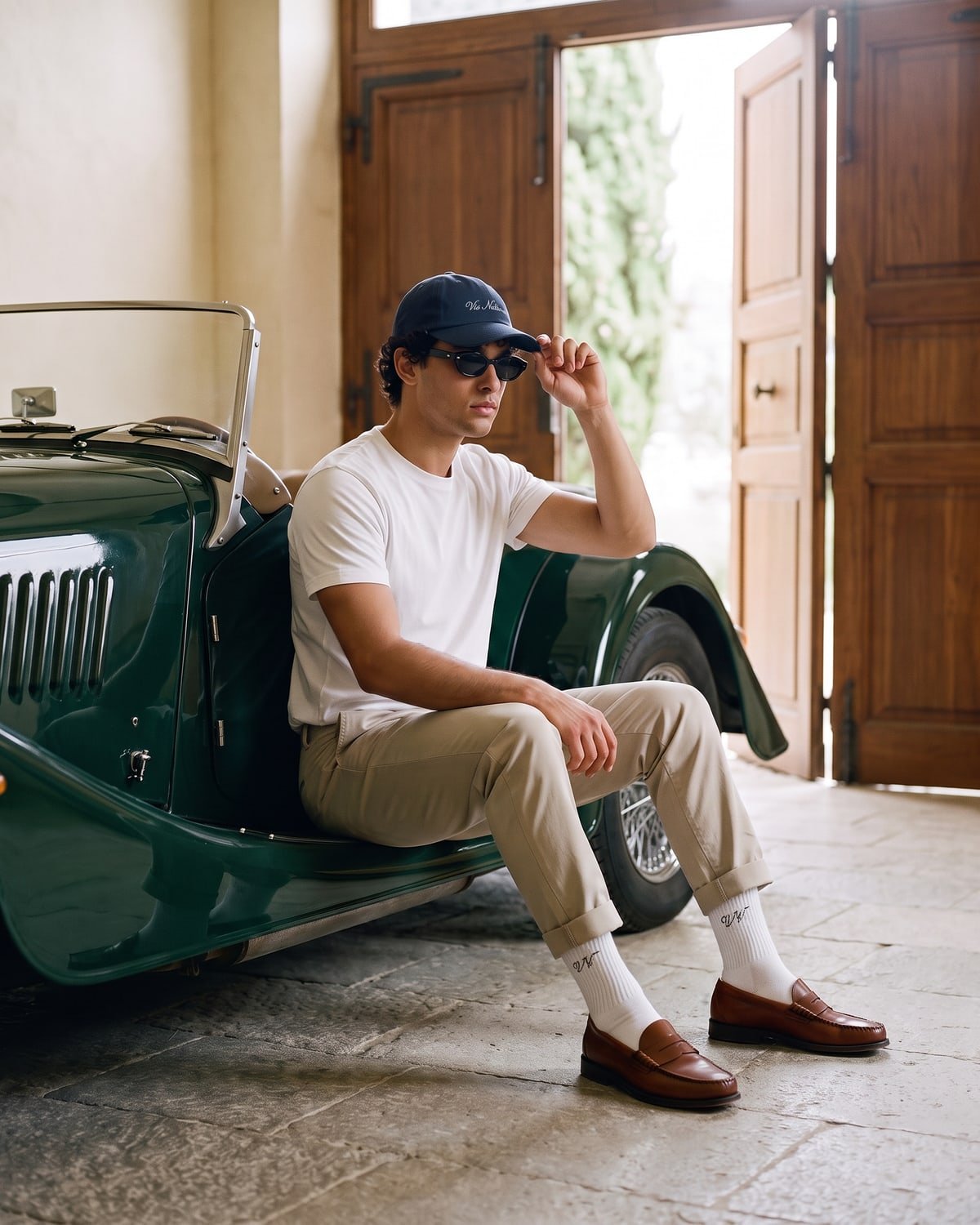
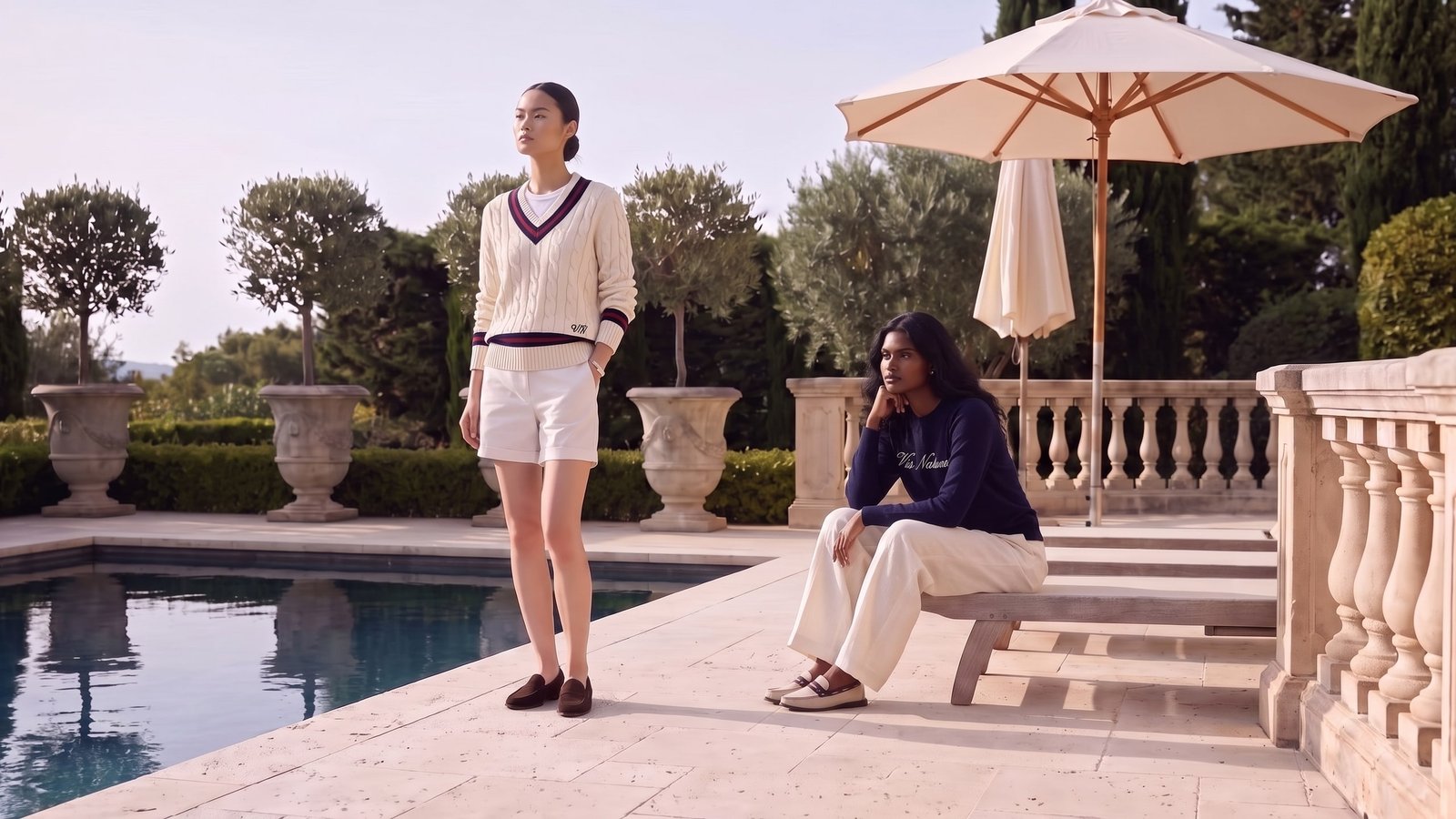
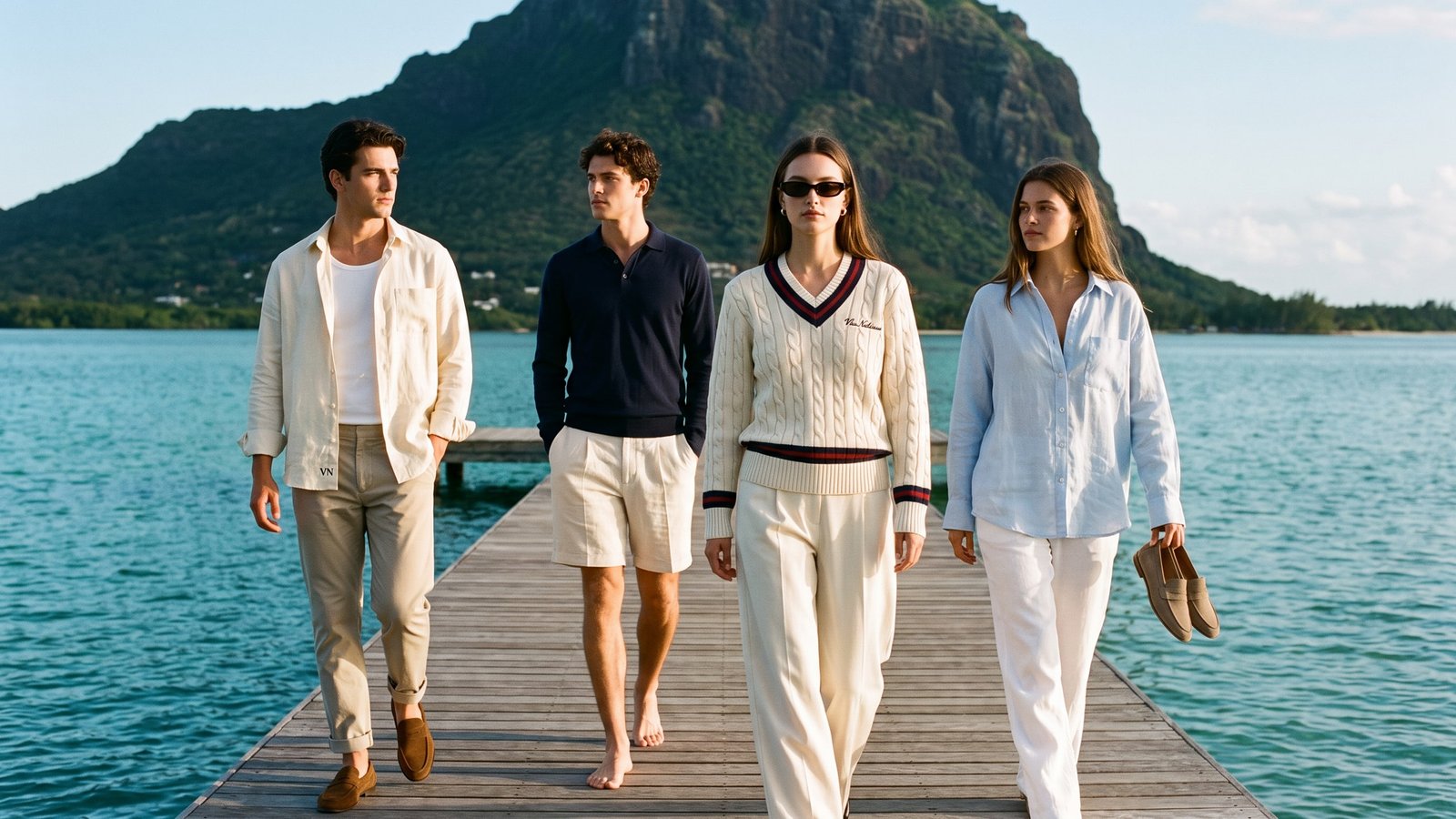
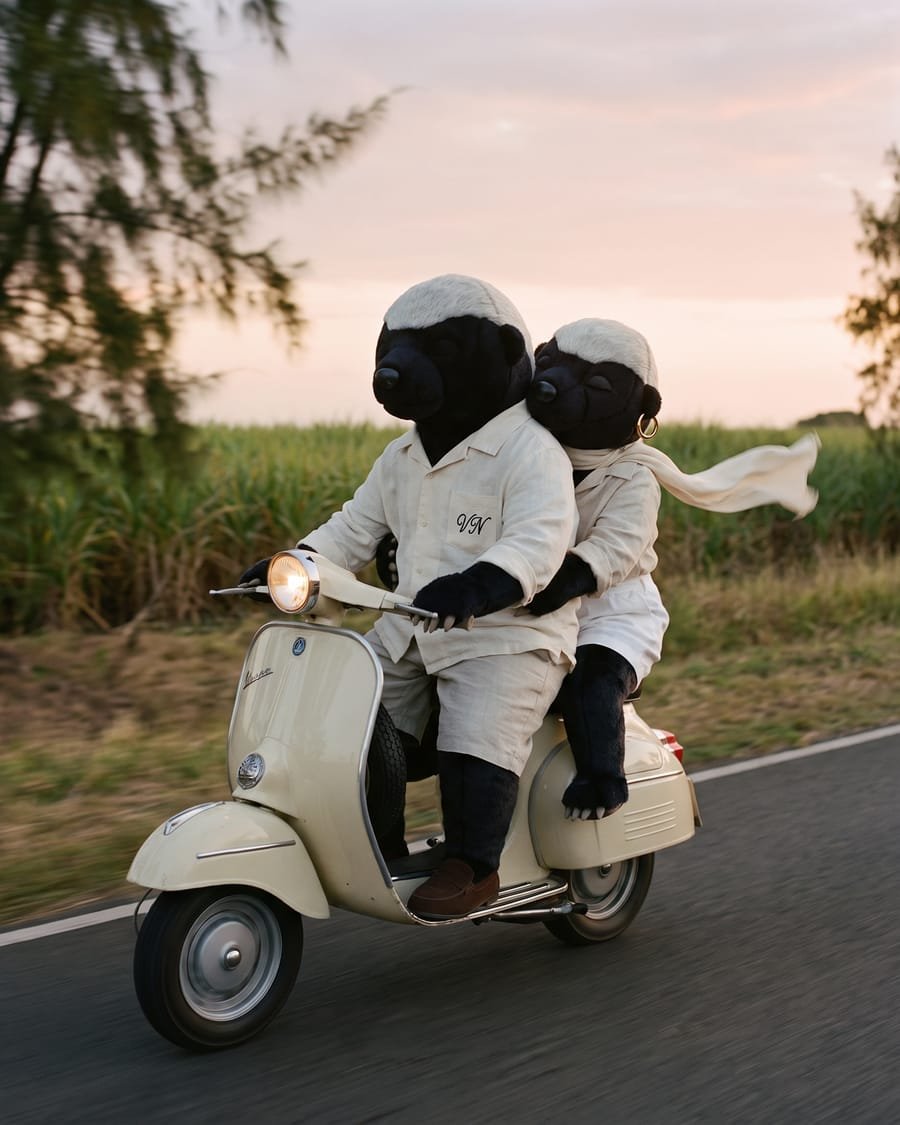
Clothes built for all of it, and made properly, with a Nordic respect for things that last. Live it fully. The pieces will keep up.
Chapter
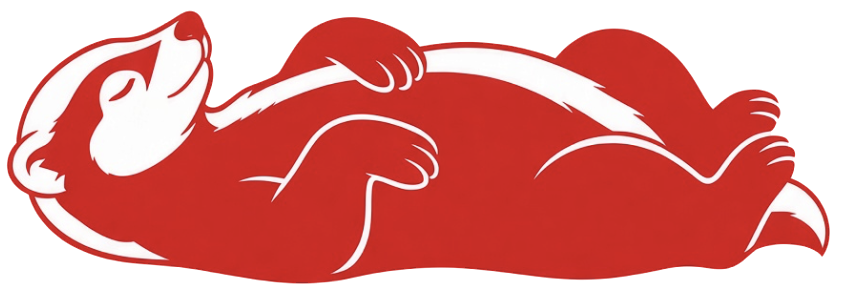
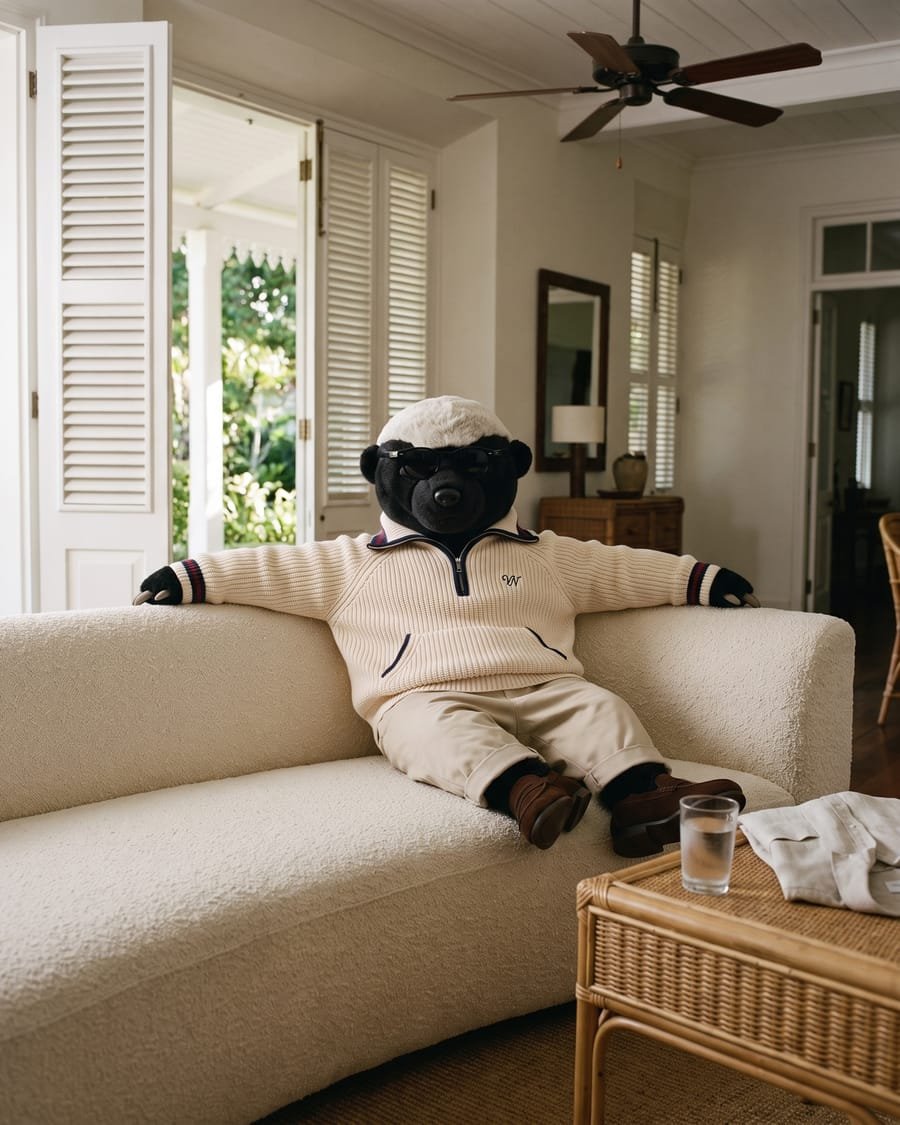
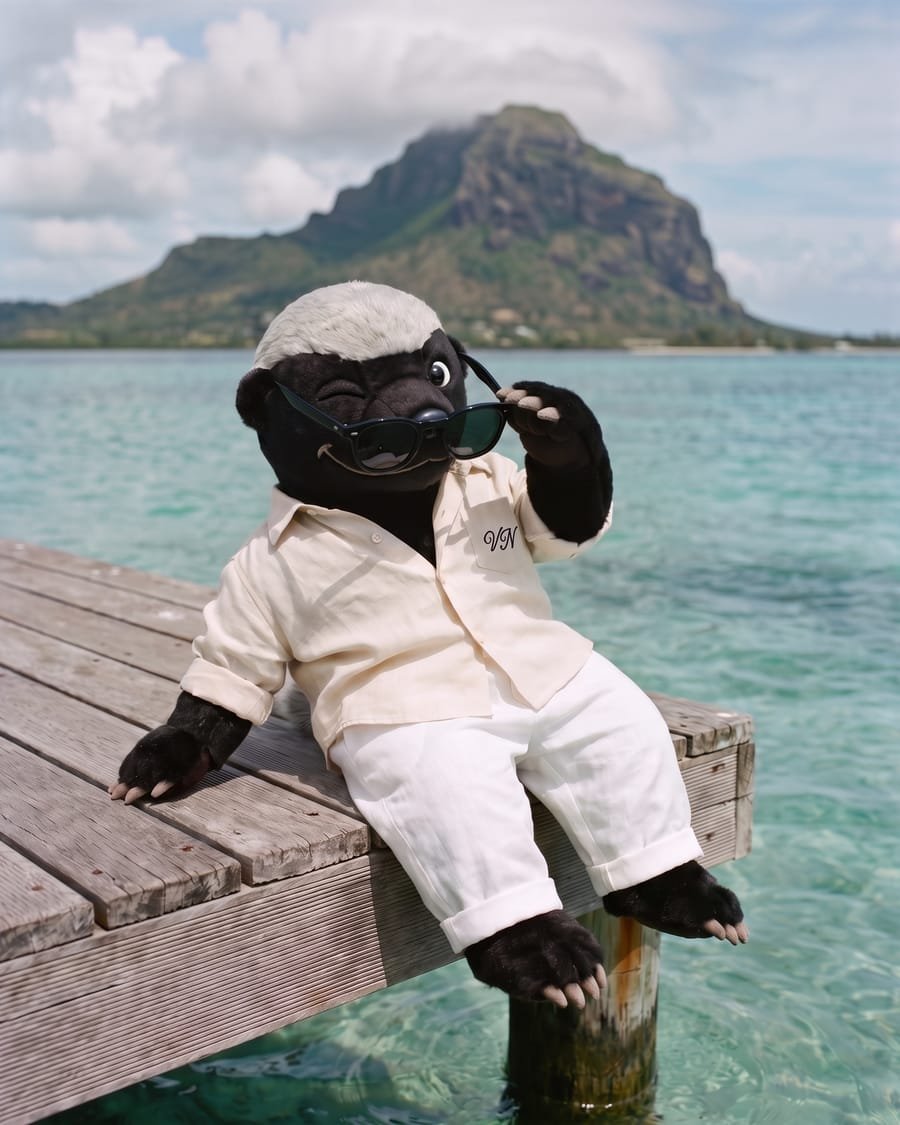
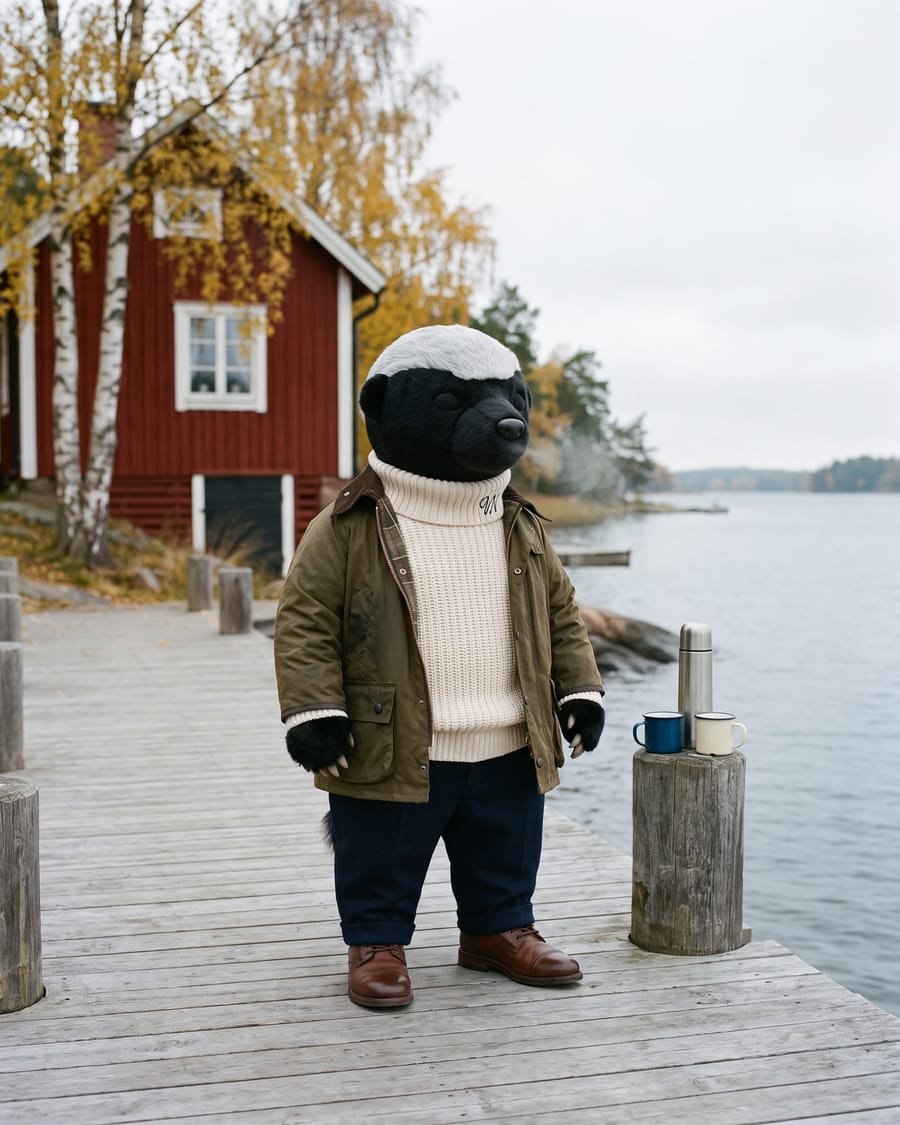
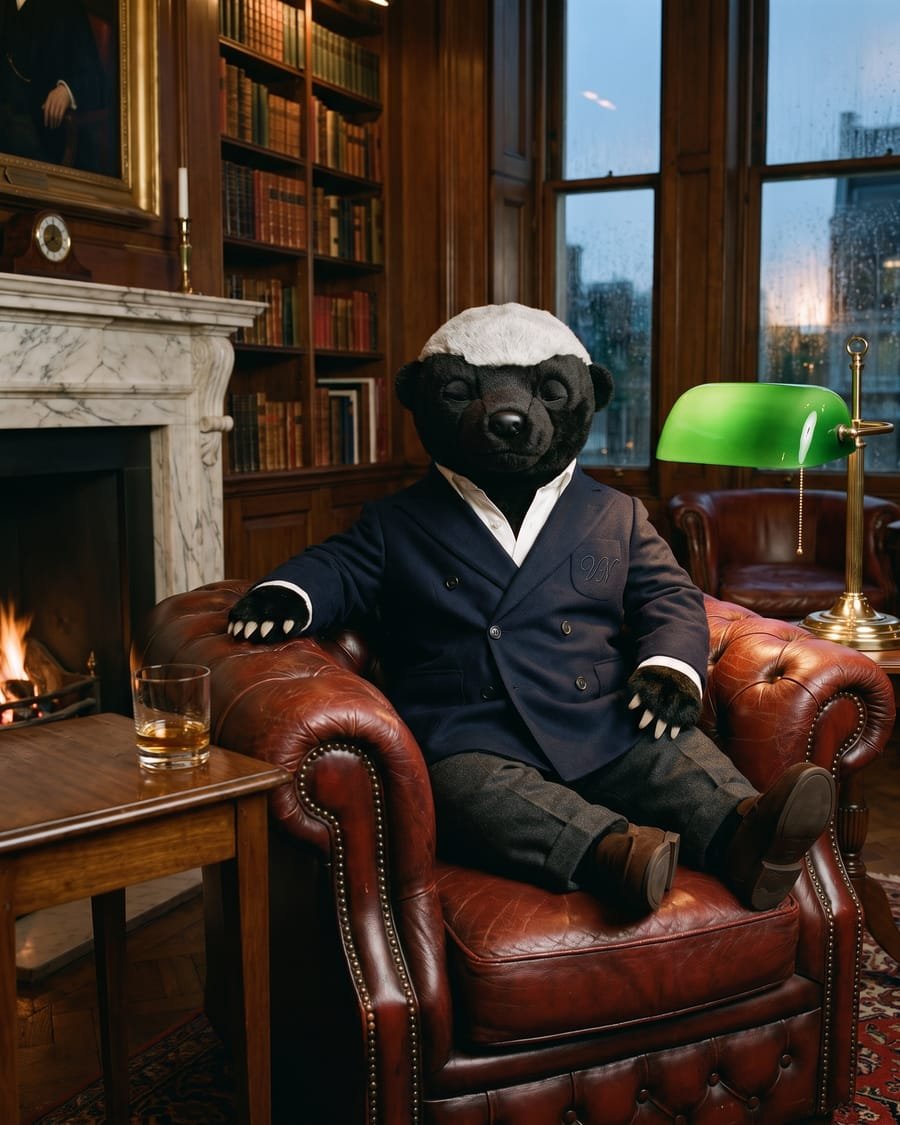
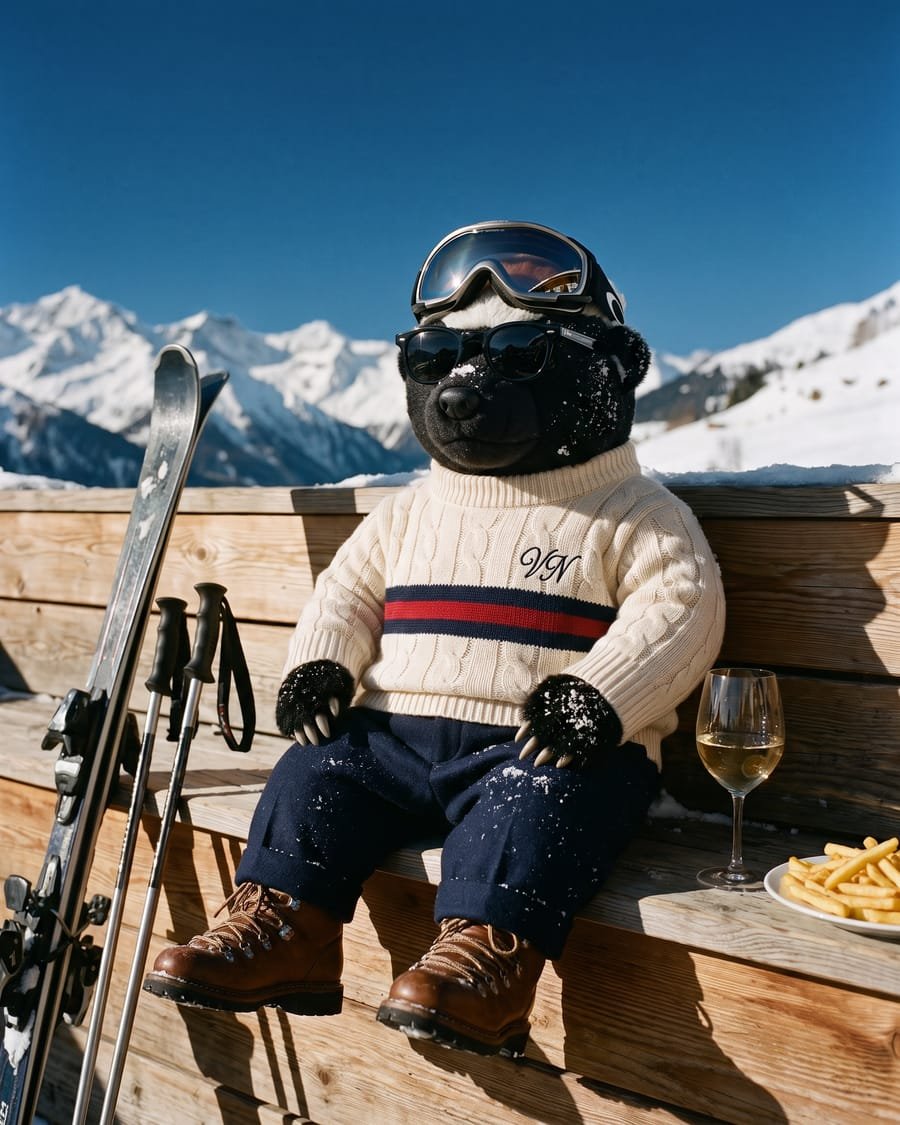
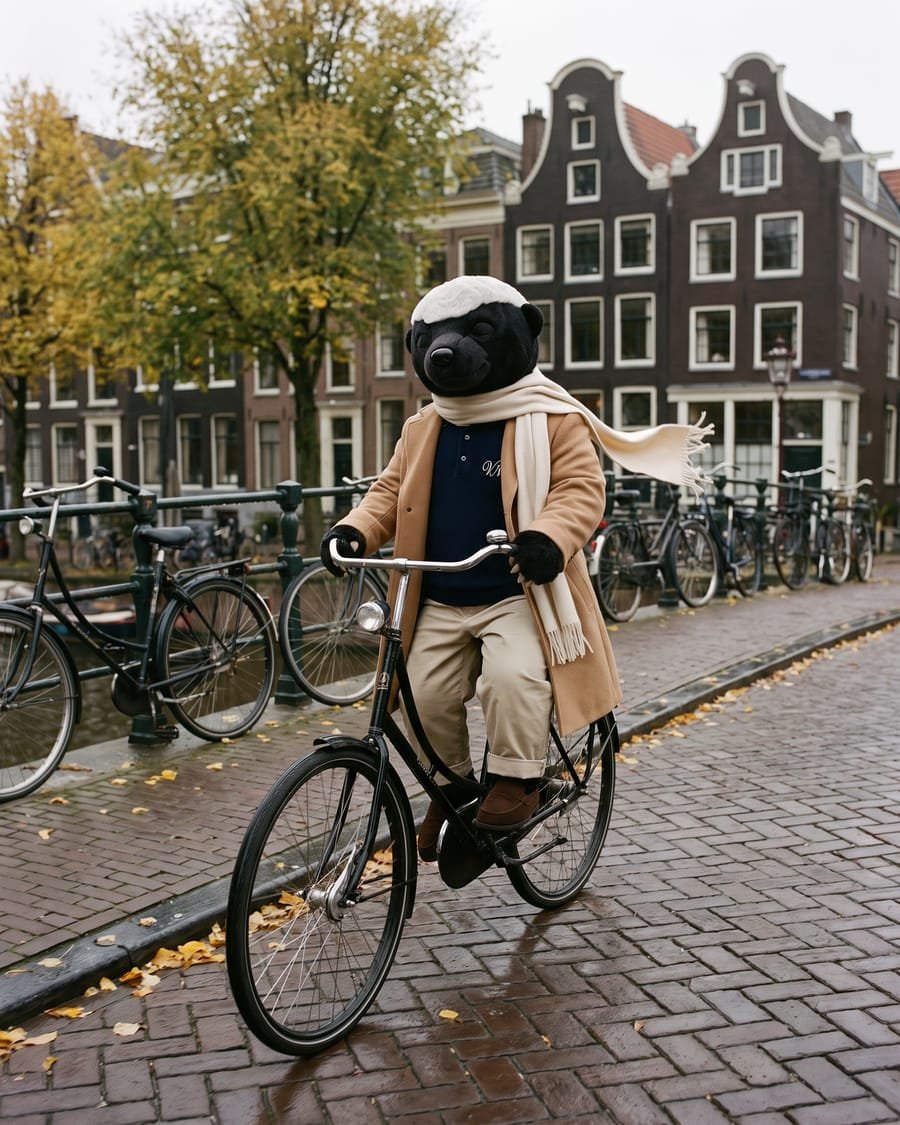
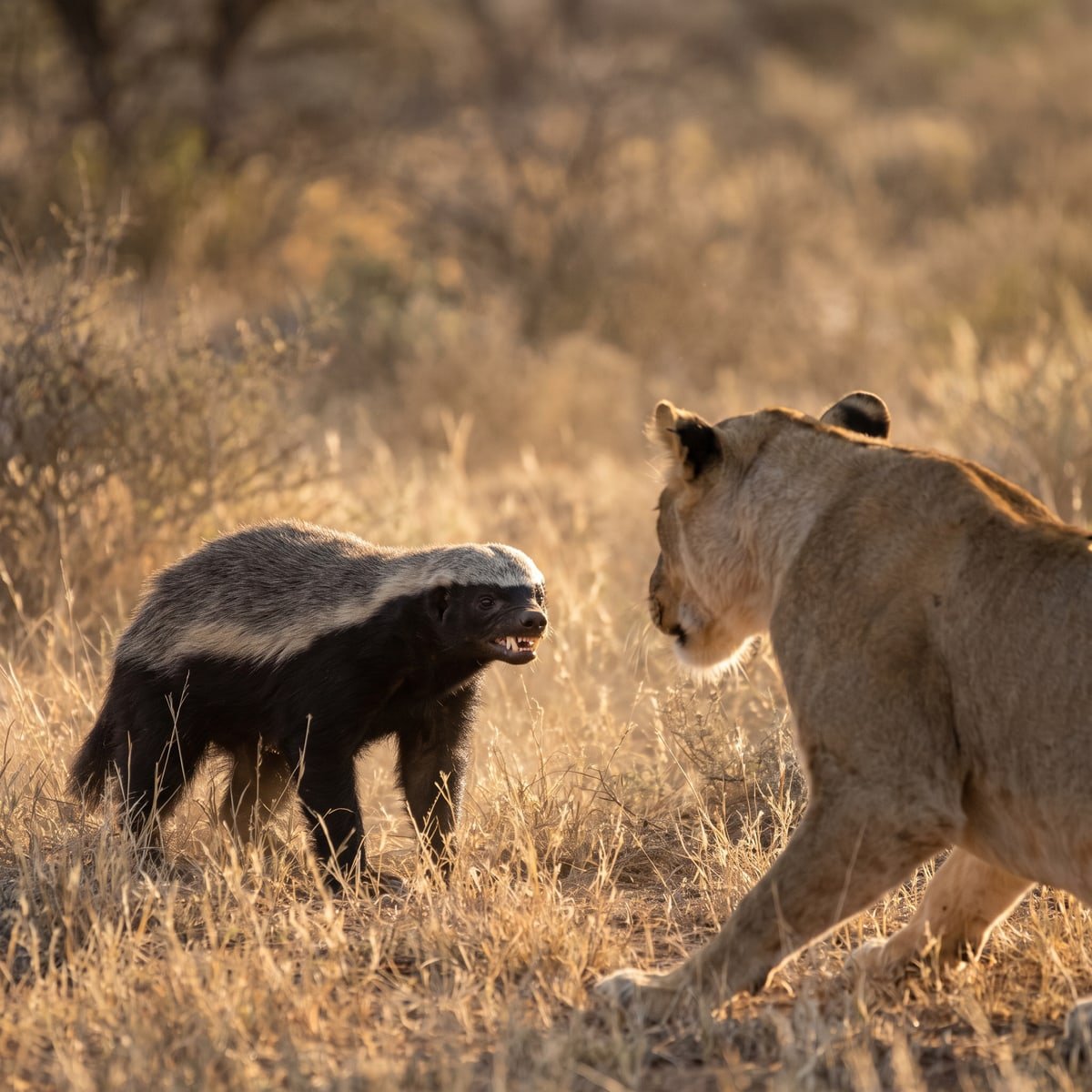
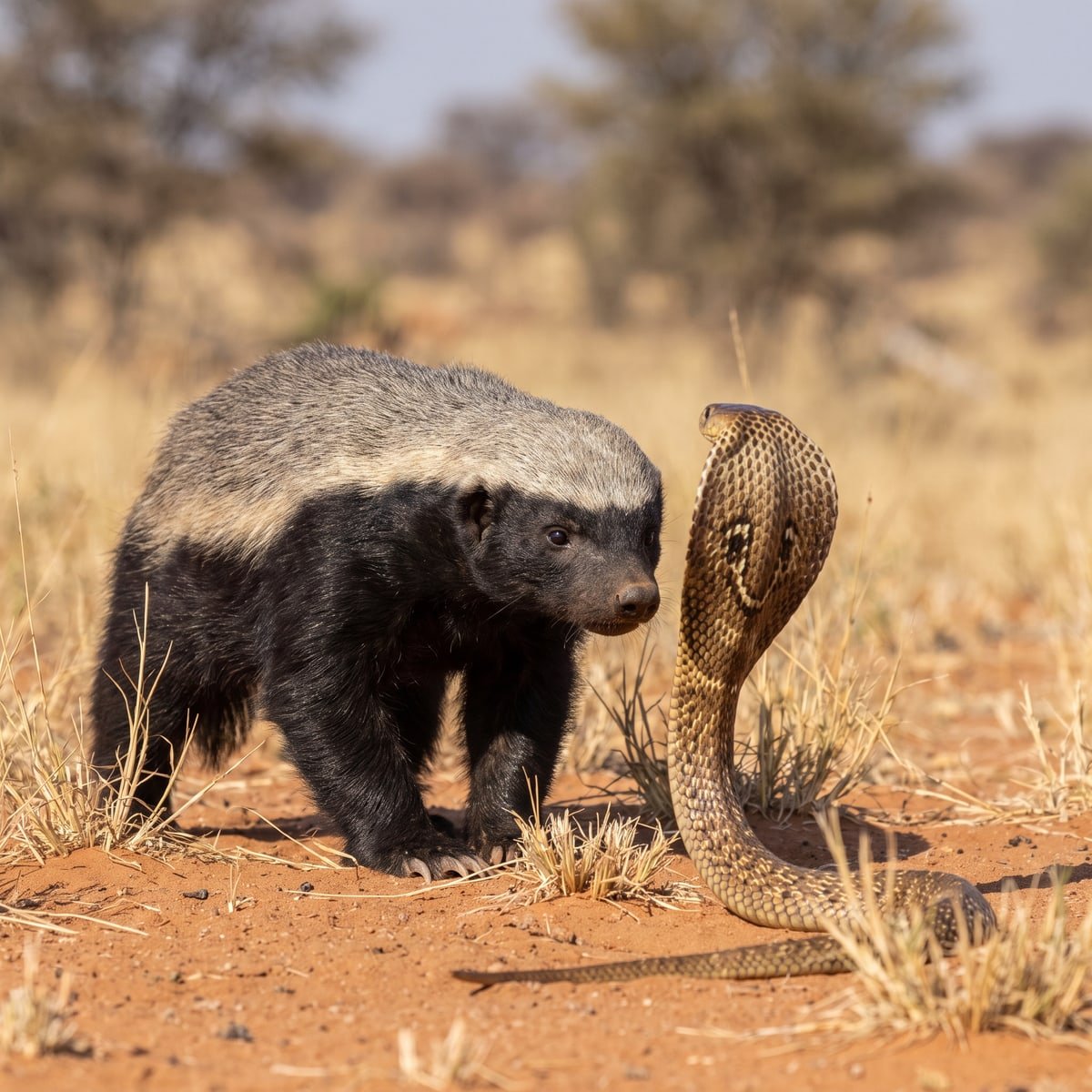
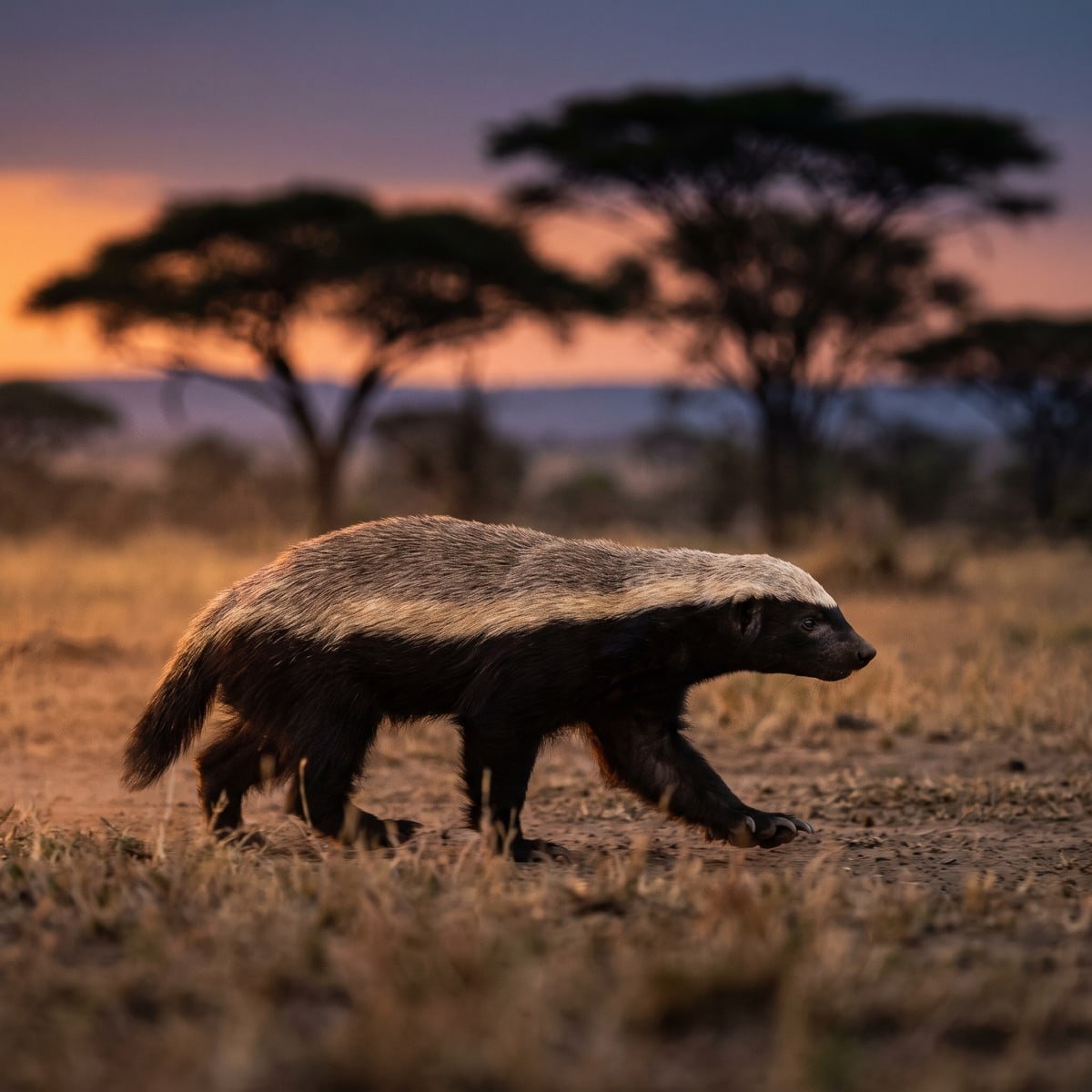
The honey badger survives because it simply refuses to. It lives across Africa, no bigger than a house cat, and spends its life picking fights with animals far bigger than itself. The black mamba. Lions. Even elephants.
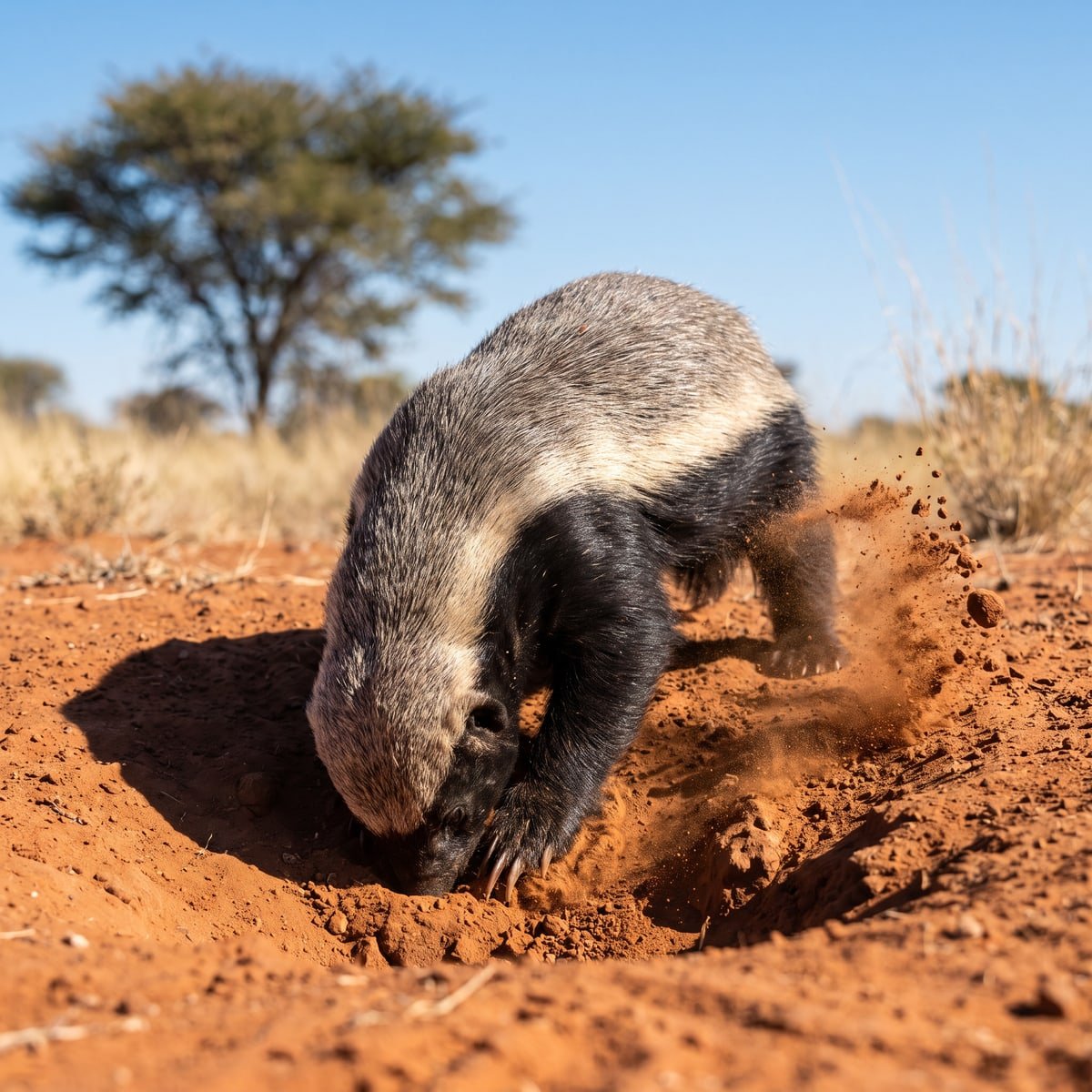
Its skin is so thick and loose that teeth and claws struggle to find a hold. It digs through hard ground in minutes and raids beehives through a thousand stings. When a cobra sinks its fangs in, it has been seen to lie down, sleep it off, and get back up to finish the hunt.
It does not have the sharpest claws, the fastest legs or the strongest bite. What it has is attitude: no respect at all for anything standing in its way.
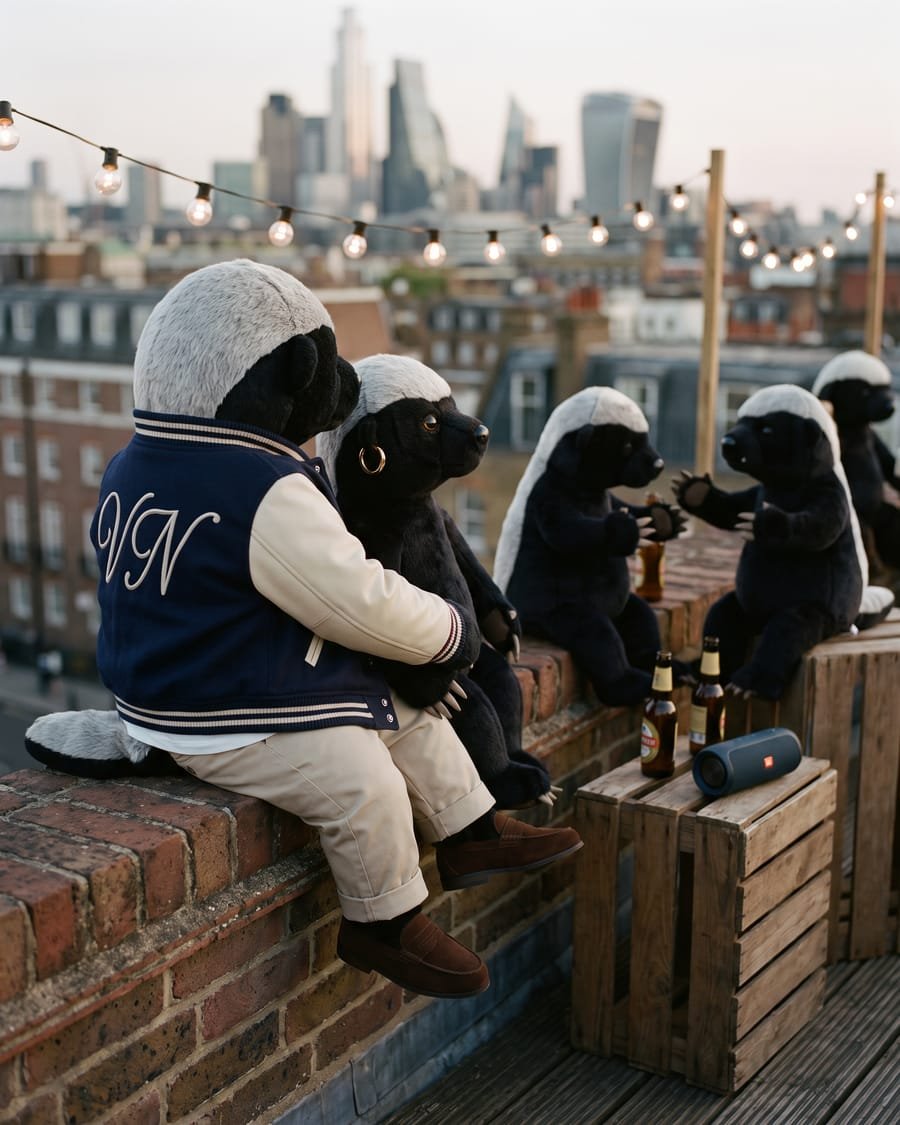
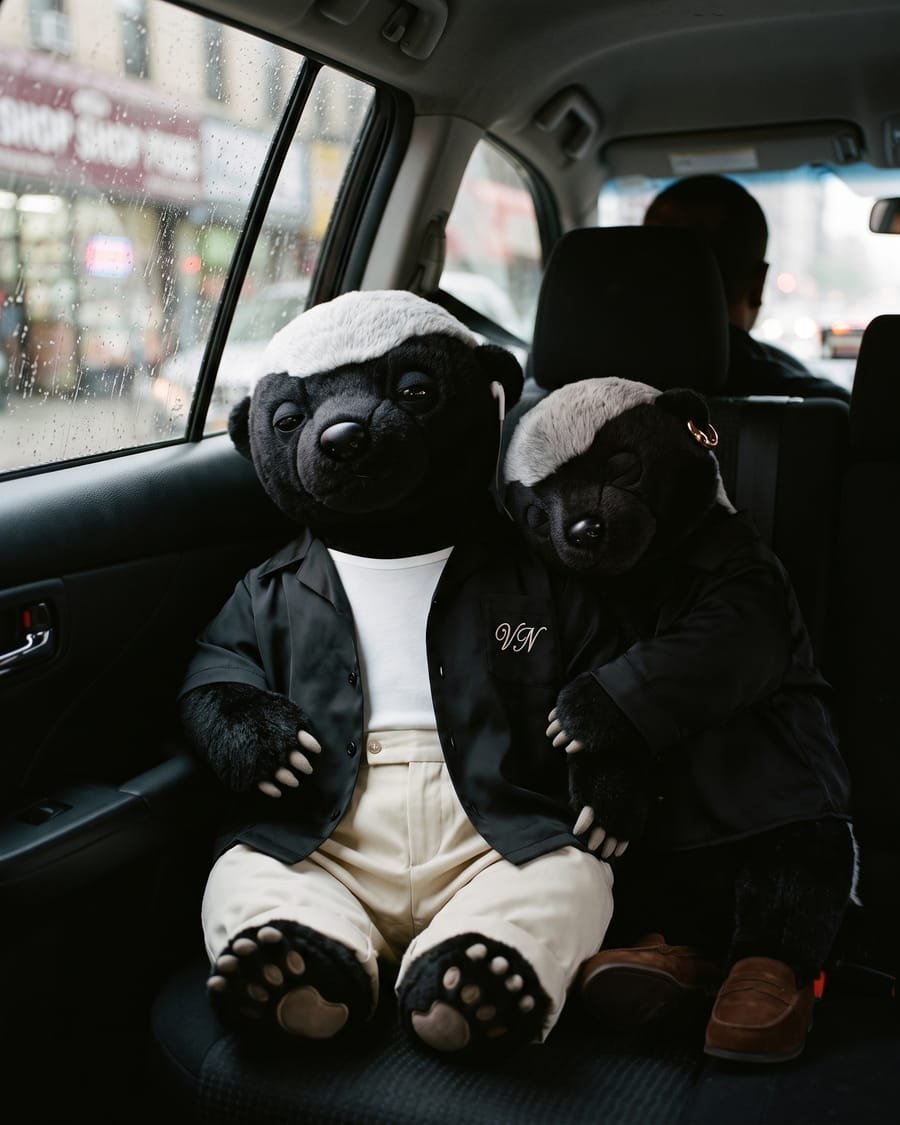
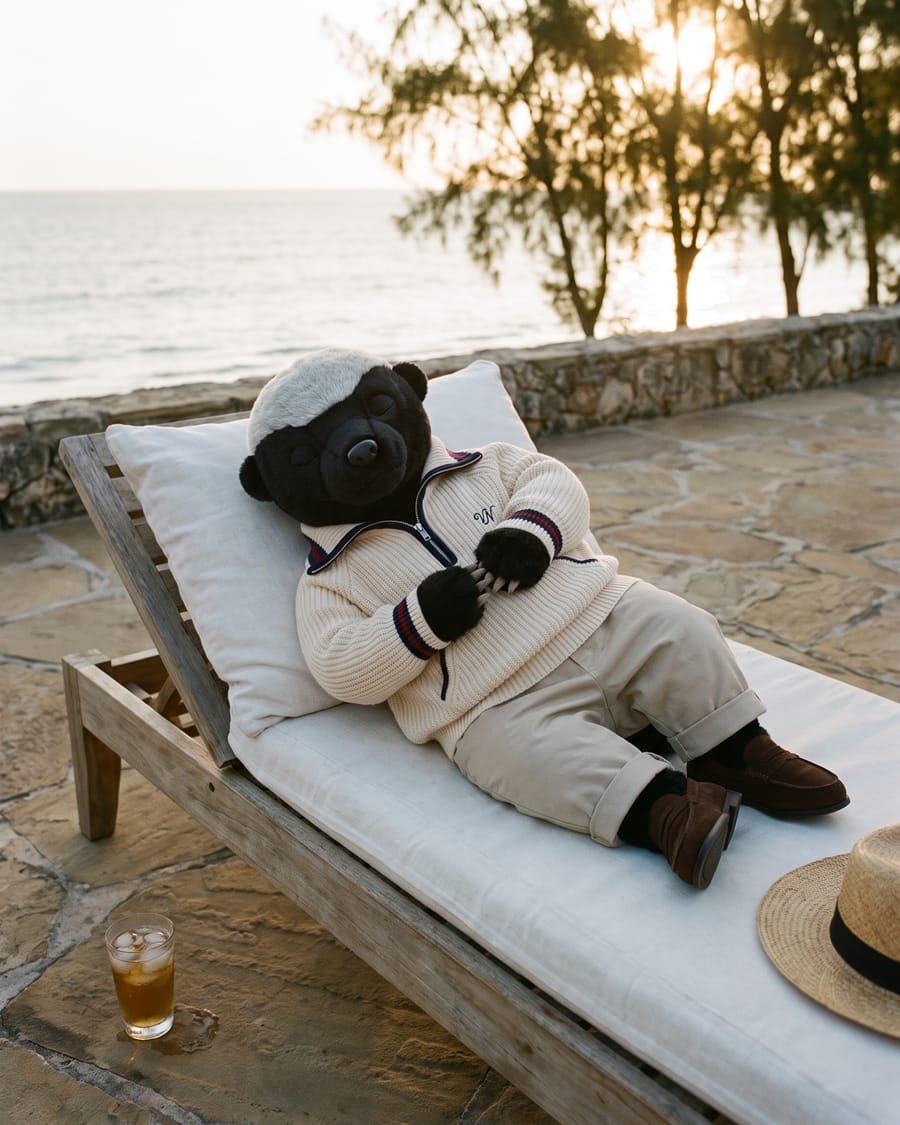
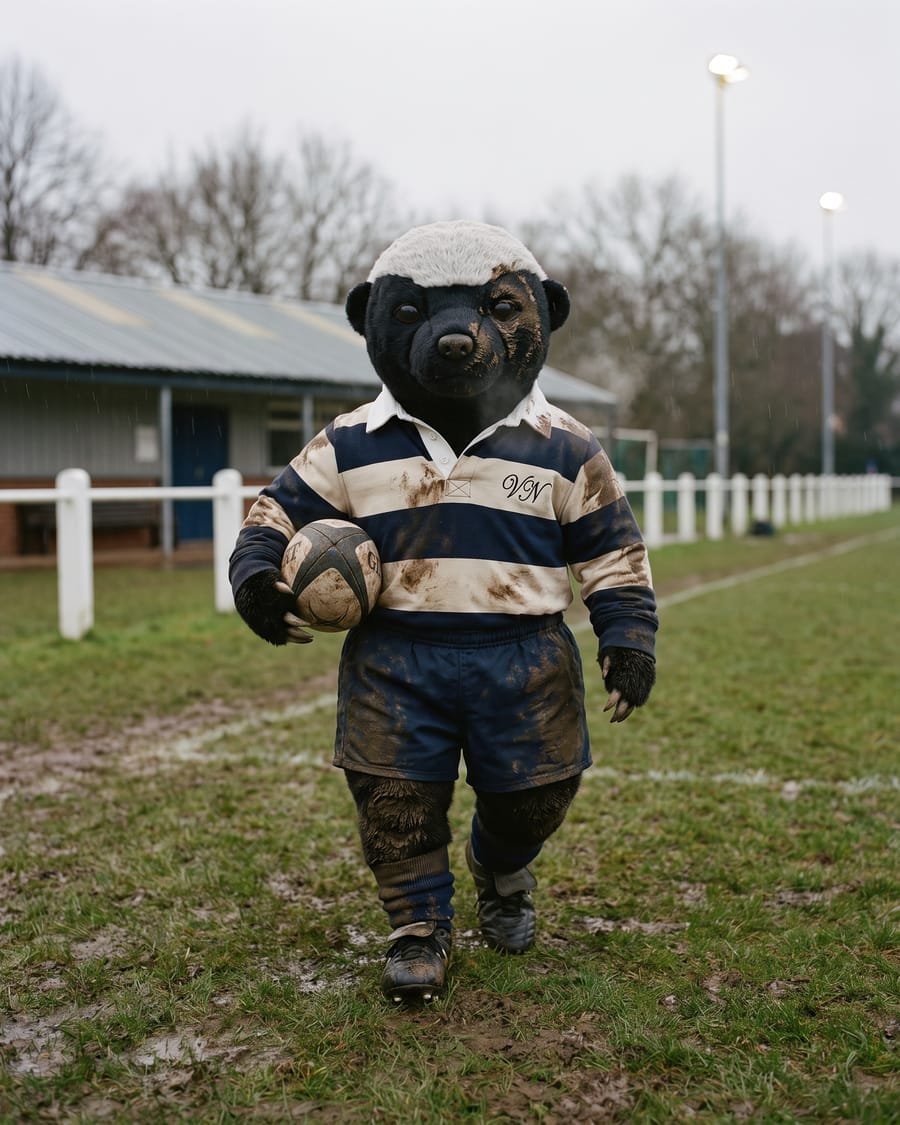
The Vis Naturæ badger is caught in that sleep. On its back, paws folded, one fight behind it and the next not yet begun. Go all in, then rest like you mean it.
Proof that fear is sometimes the most overrated instinct in nature.
Honey badger
Honey badger
Honey badger
Honey badger
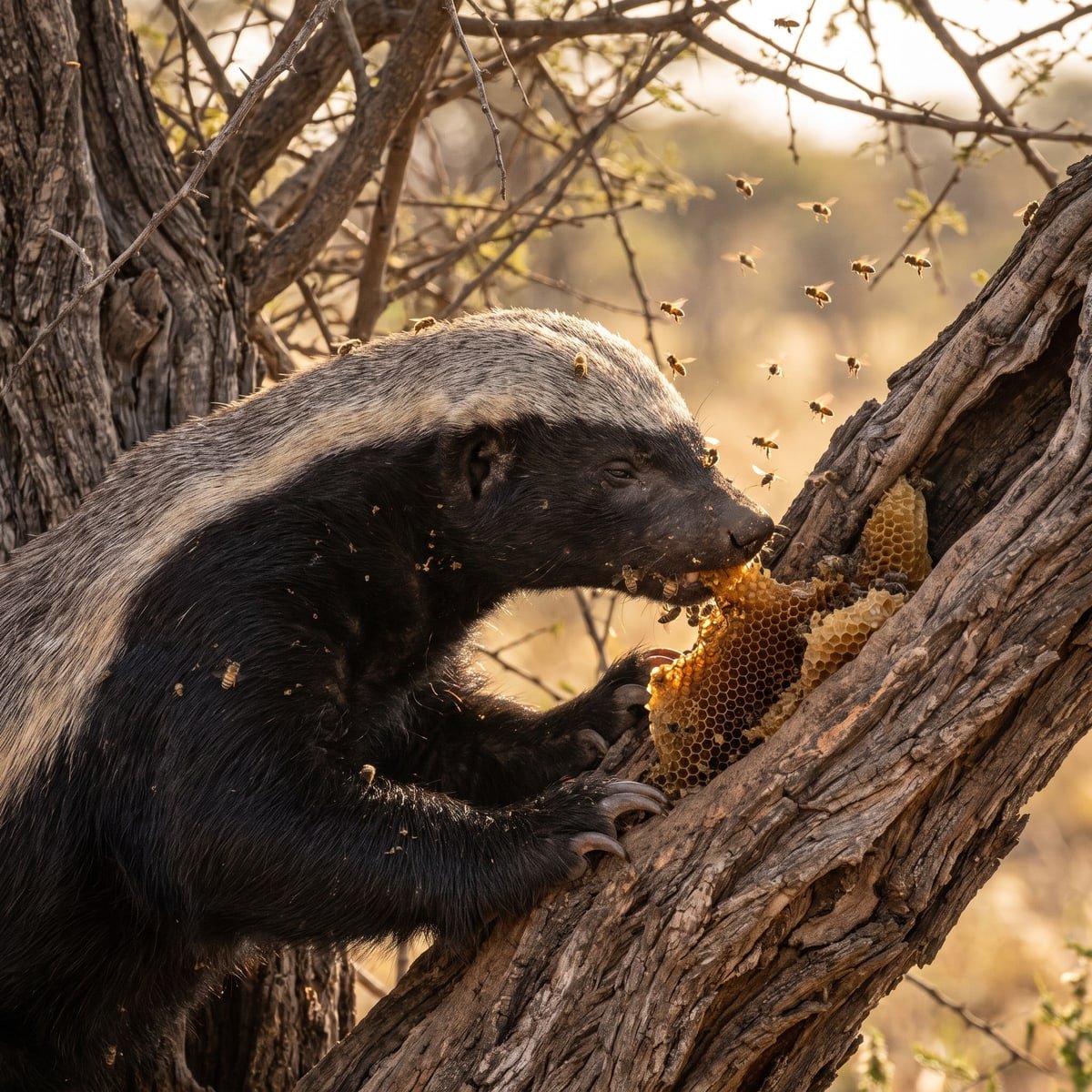
Honey badger
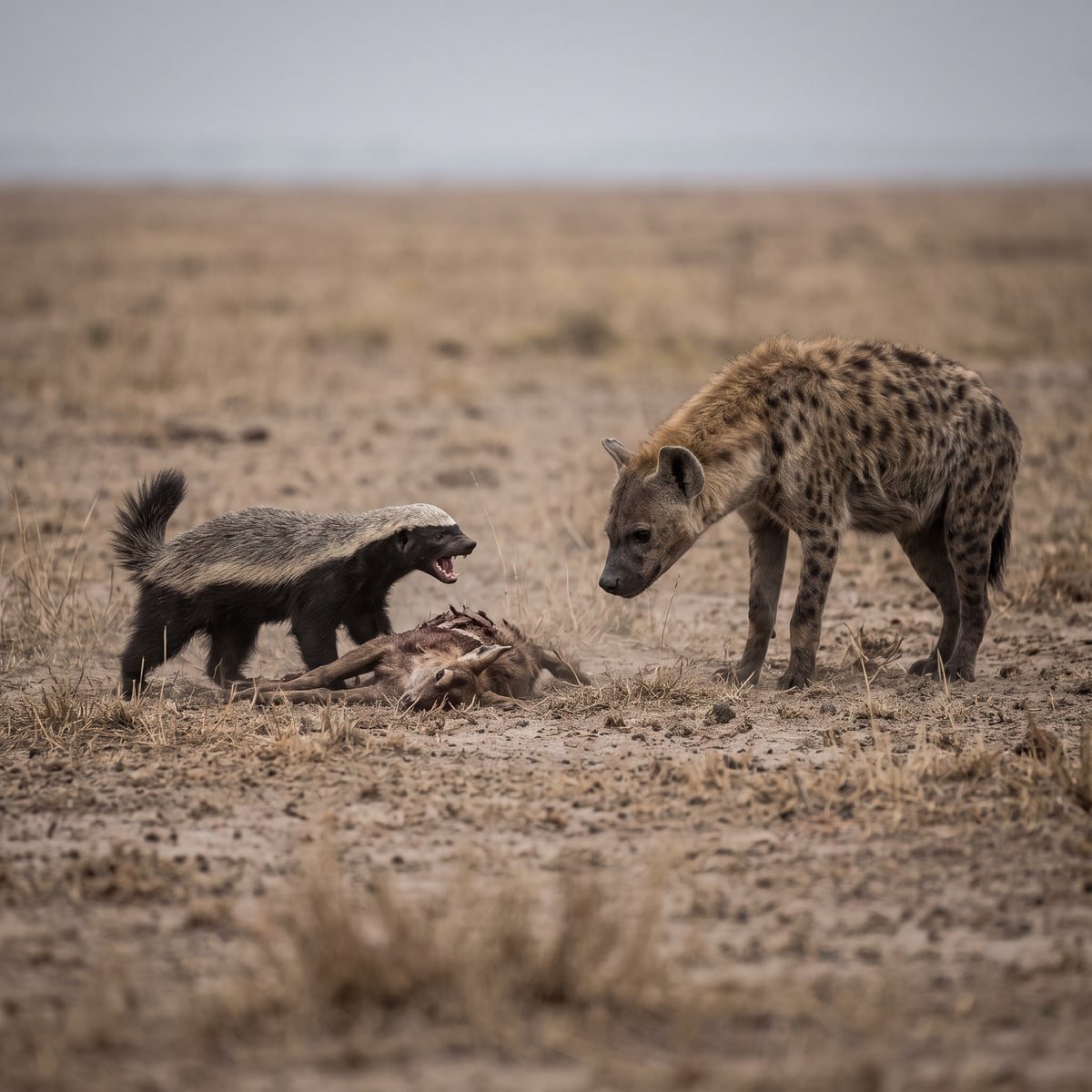
Honey badger
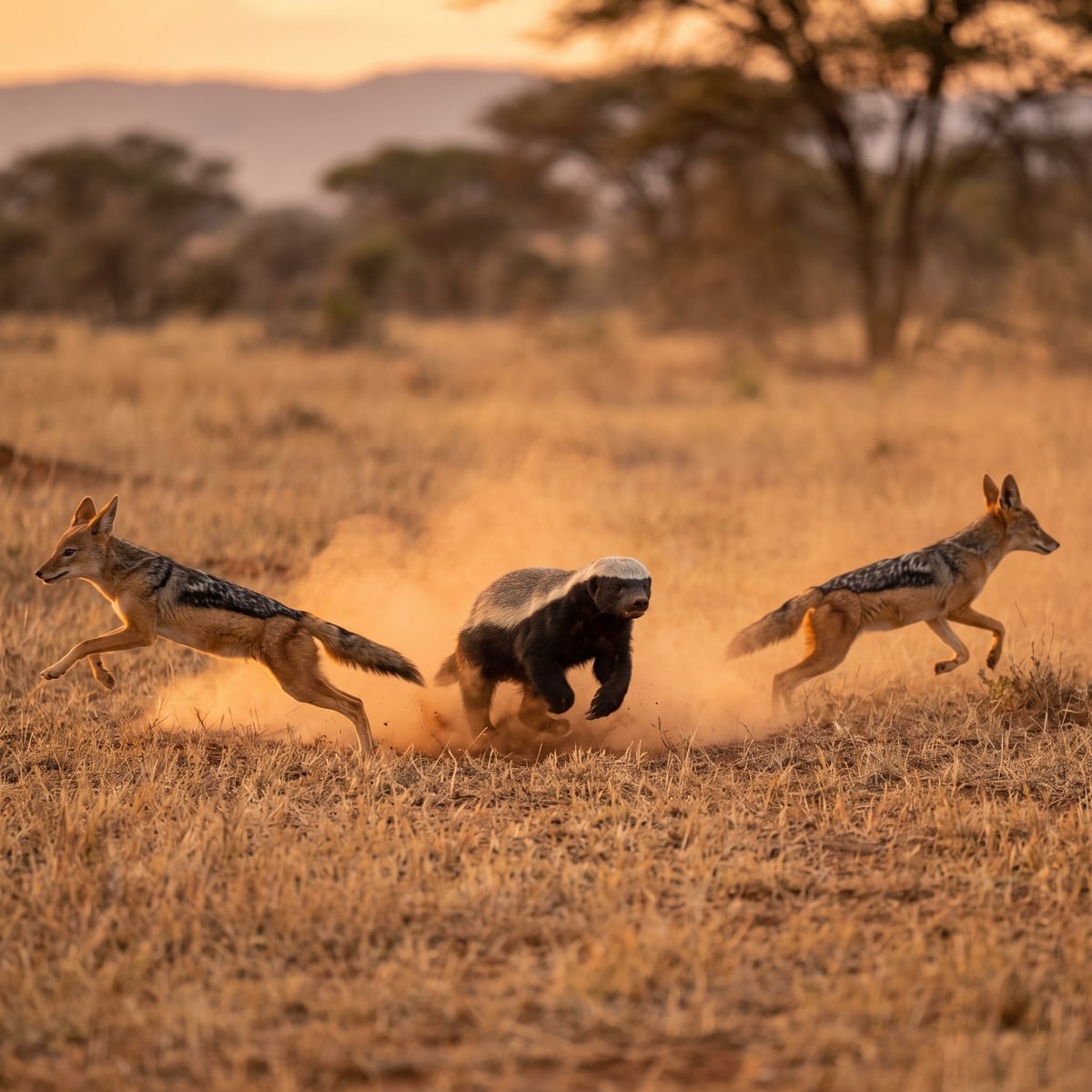
Honey badger
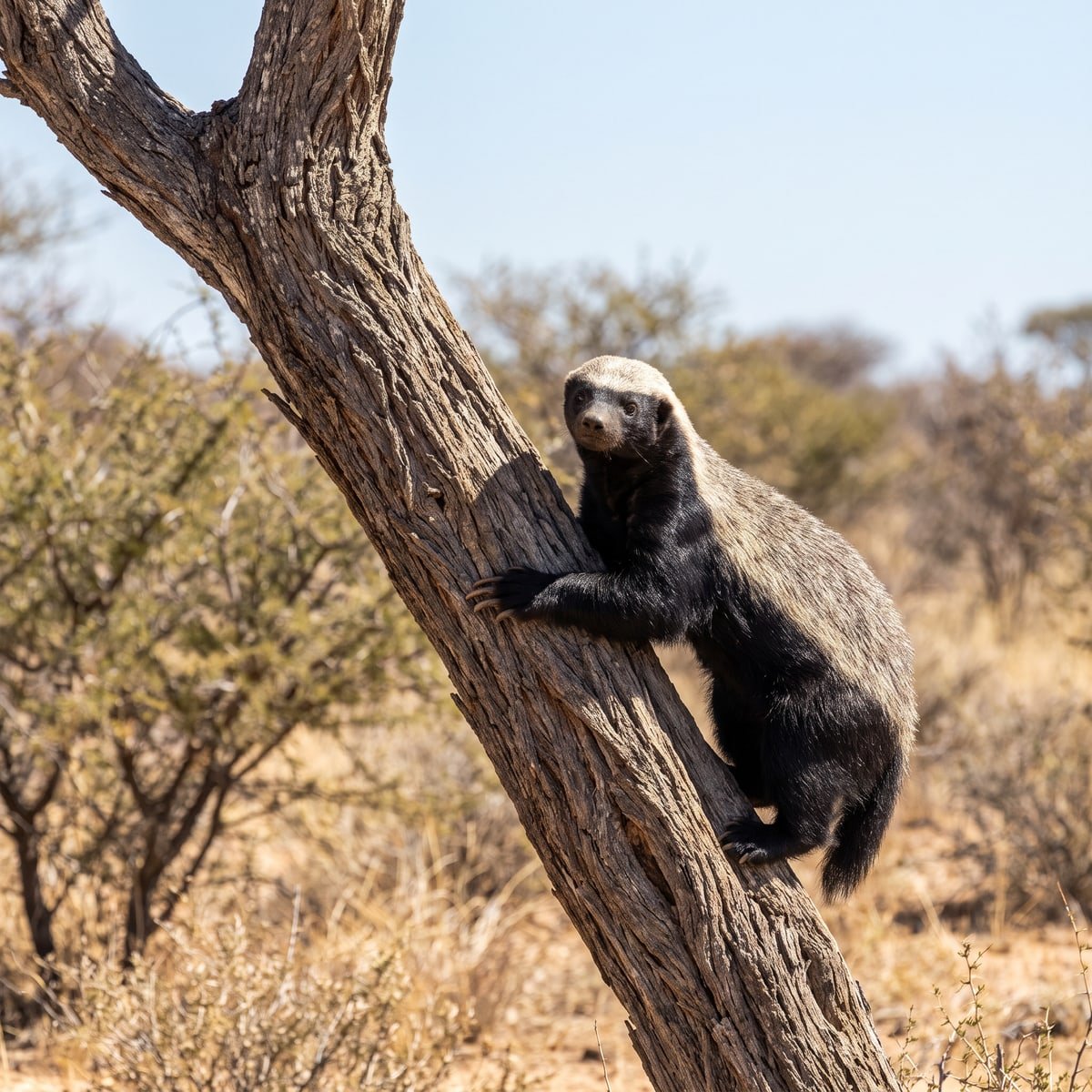
Honey badger
Chapter
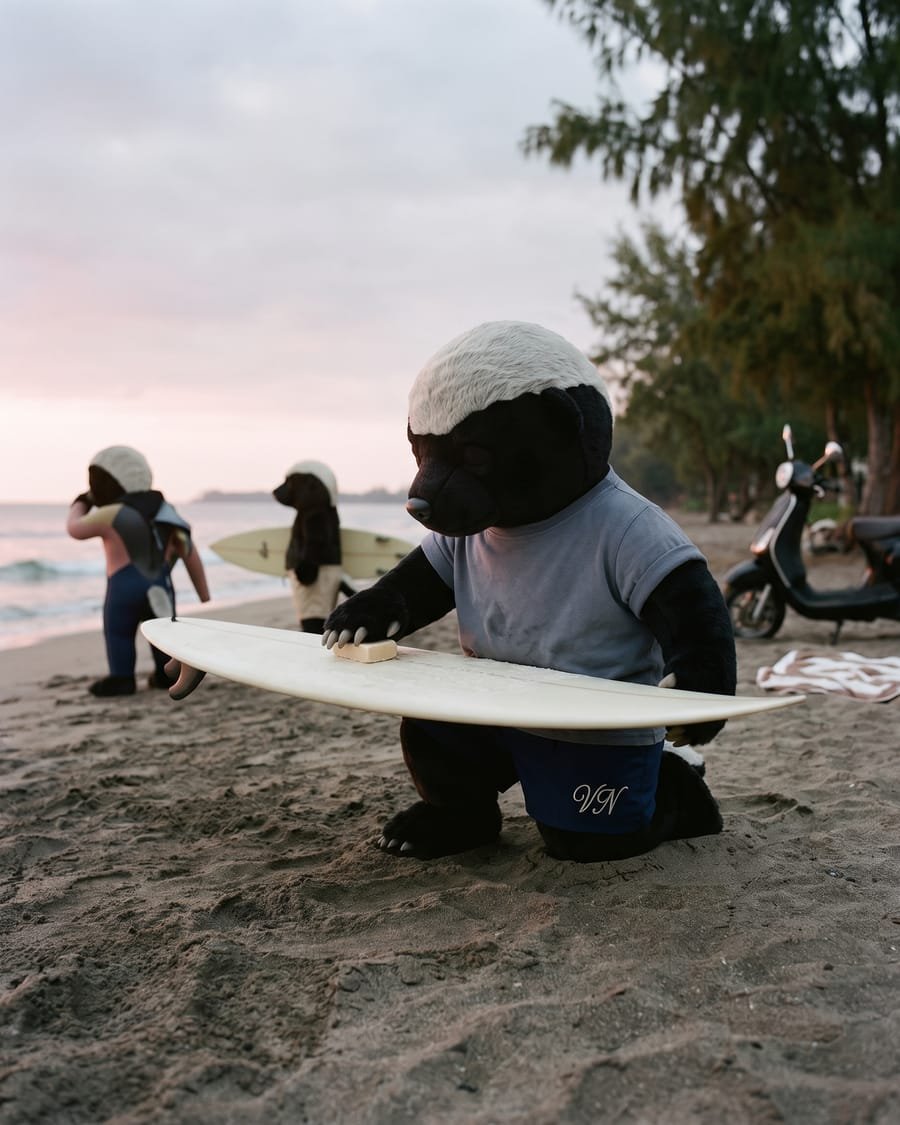
II · The Life
Salt, songs and the nights nobody can remember.
III · The Attitude
No respect for anything standing in the way. Then rest like you mean it.
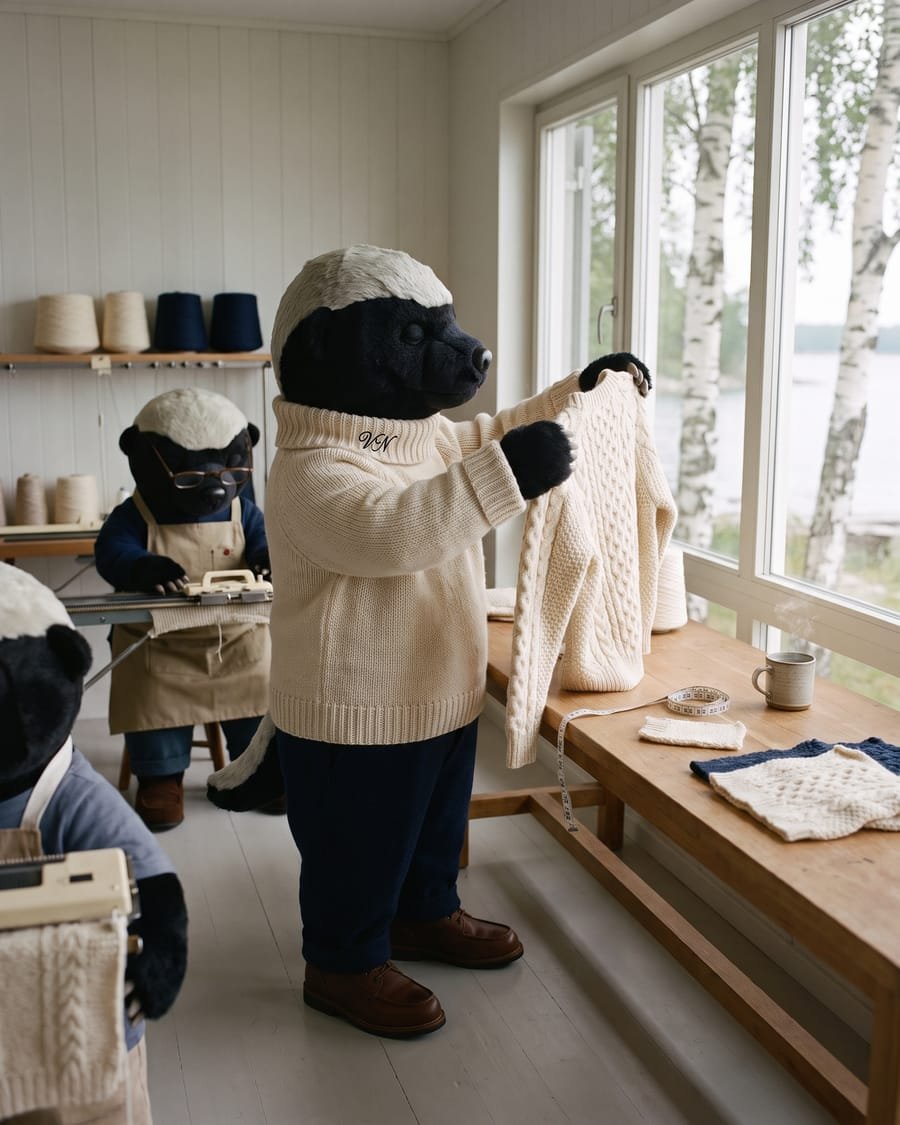
IV · The Result
Clothes for a life well lived, made with the same attitude: on purpose, properly, and built to last.
What it stands for, in every sense
Value/ˈvæl.juː/VAL-yooNoun
What a thing is worth: what it is made of, how long it lasts, and who stands behind it.
What is done on purpose. Every cloth, cut and mark chosen with intent; nothing there by default. “Fewer things, each one meant.”
What holds when nobody is watching. The same inside as out.
The value
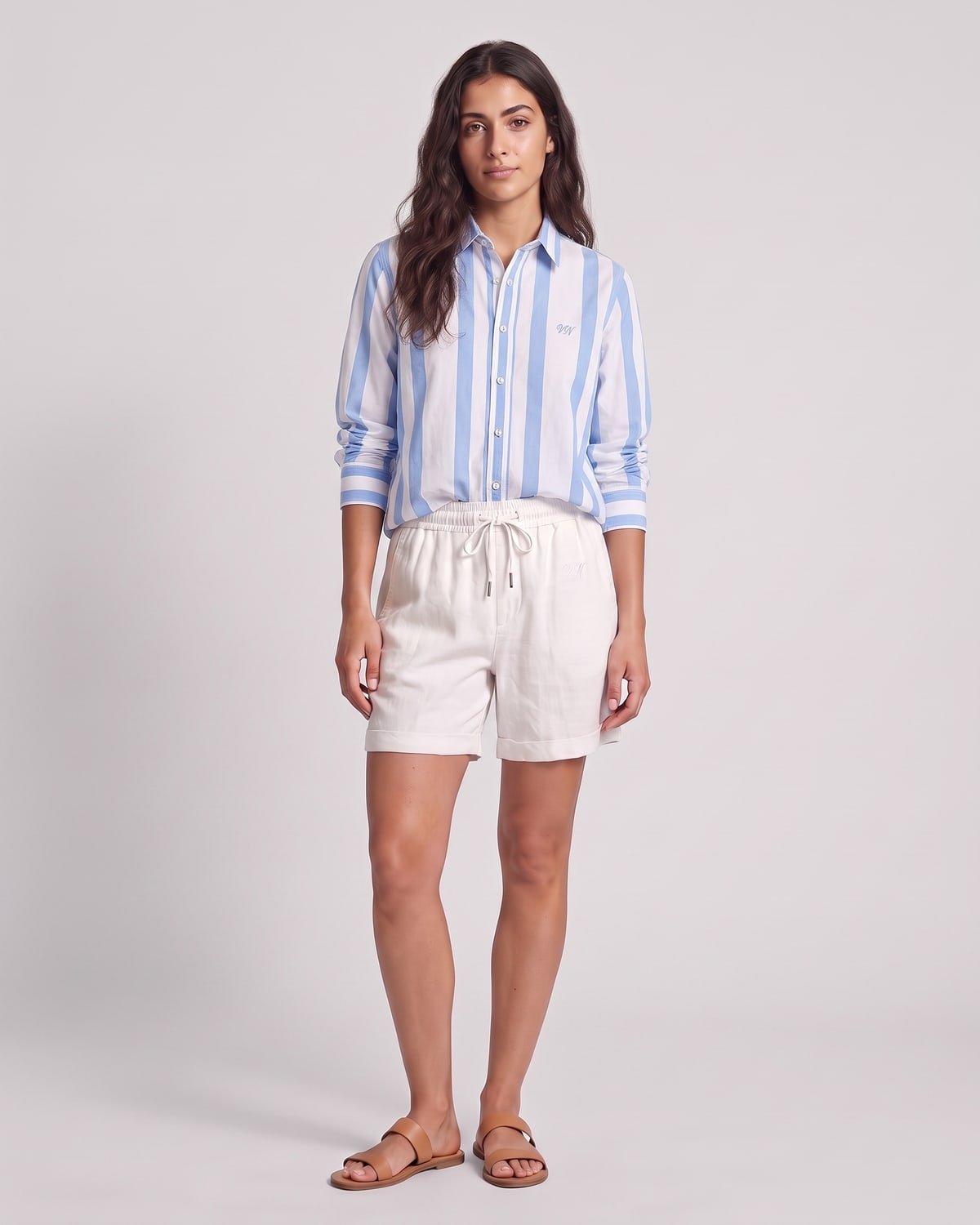
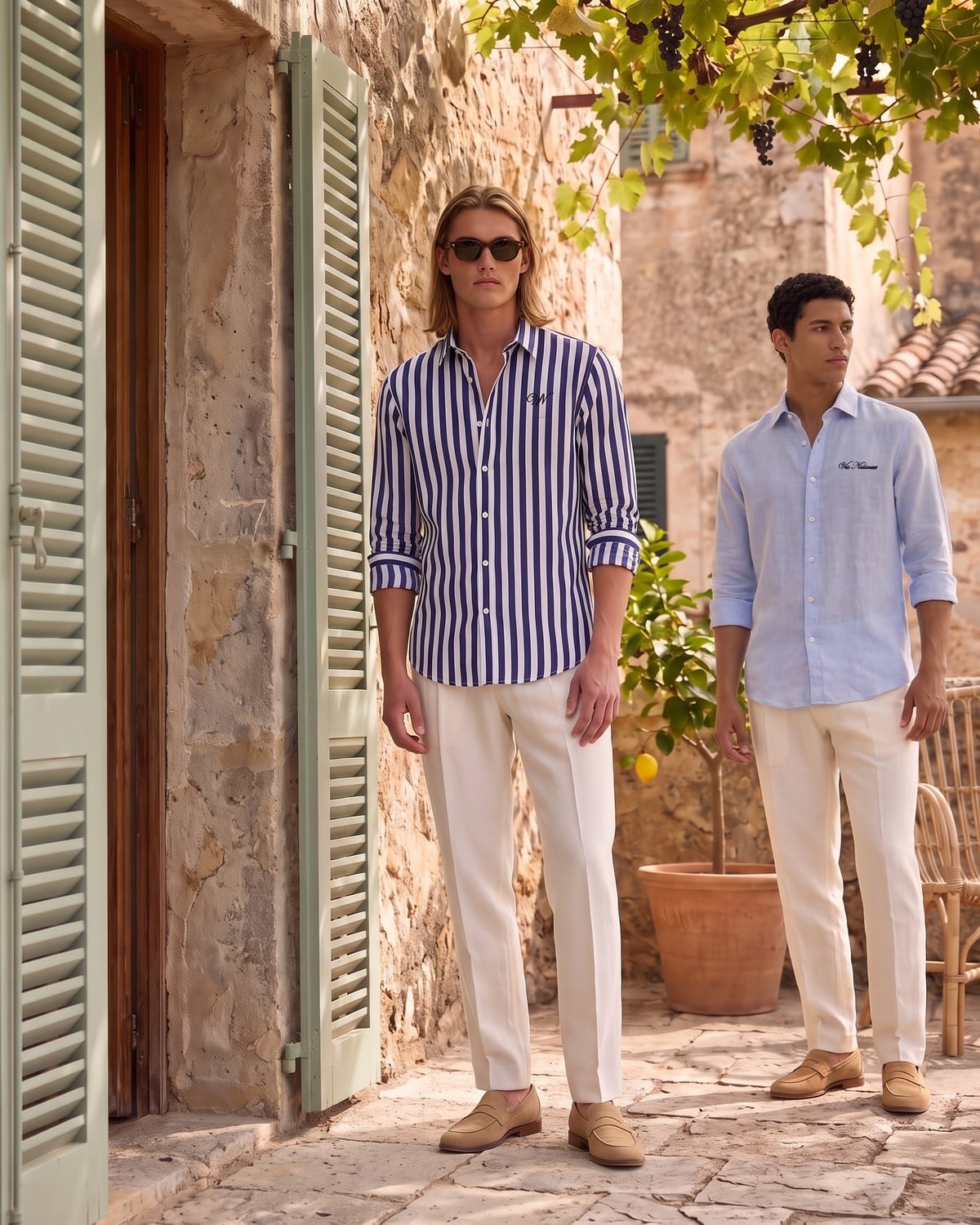
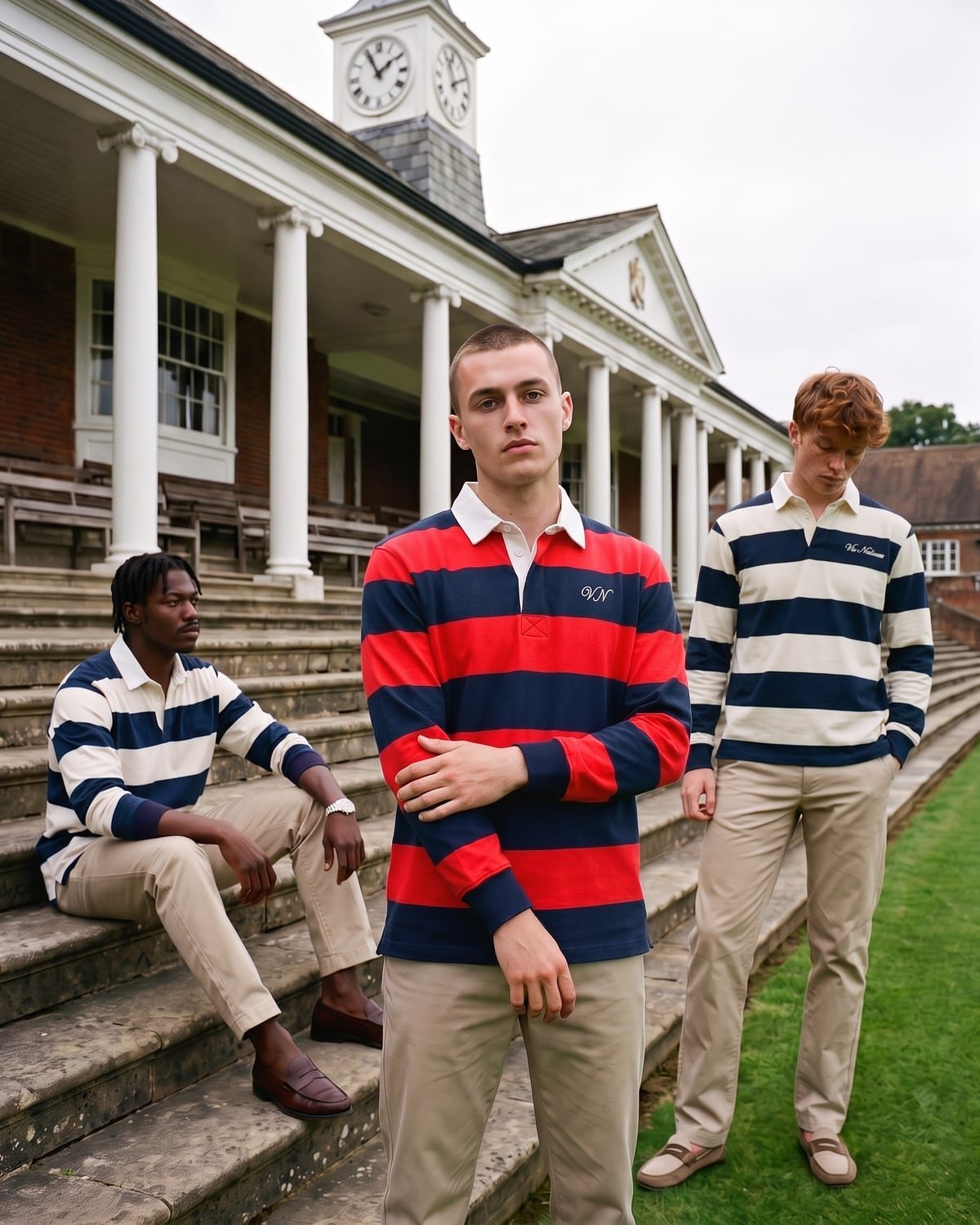
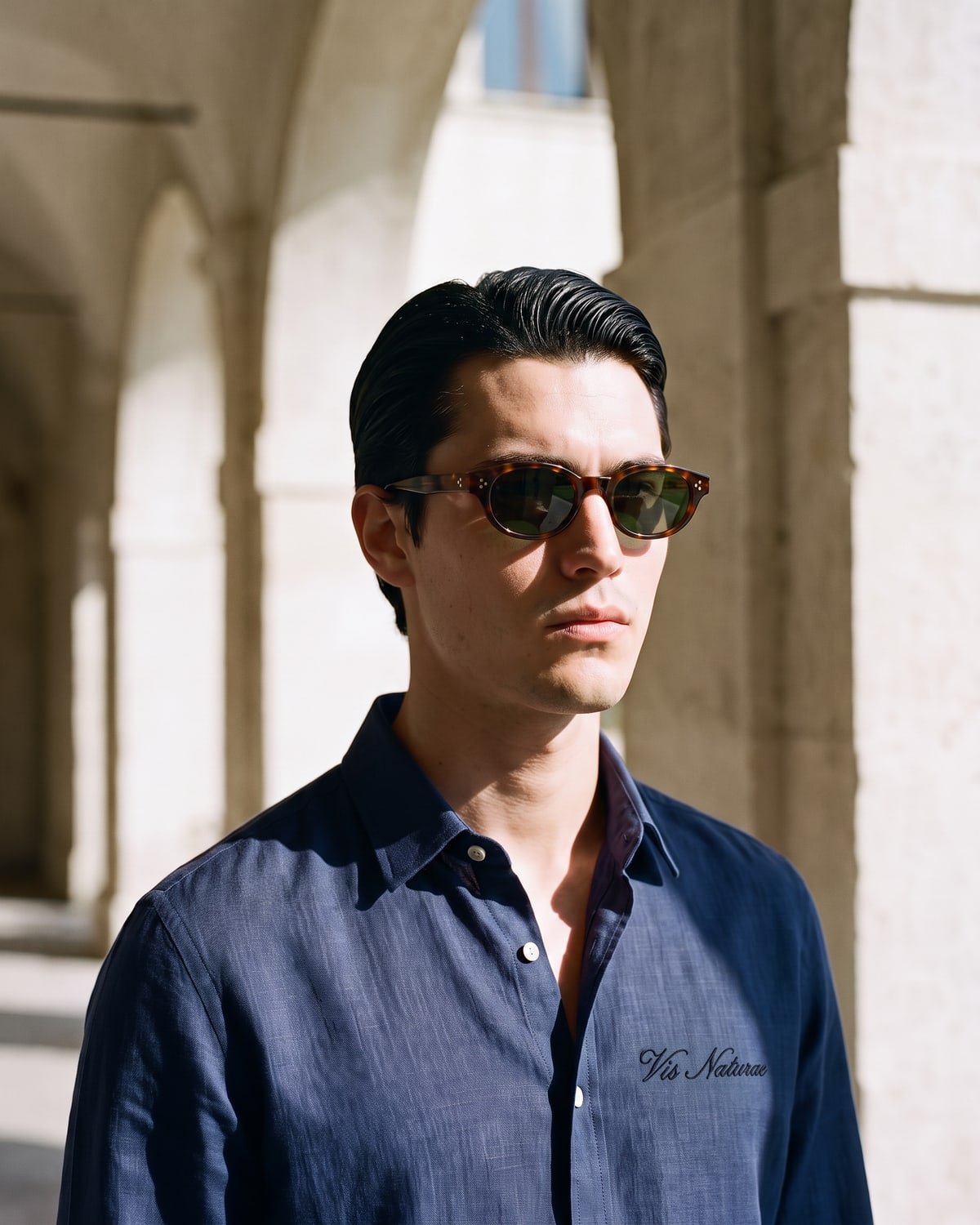
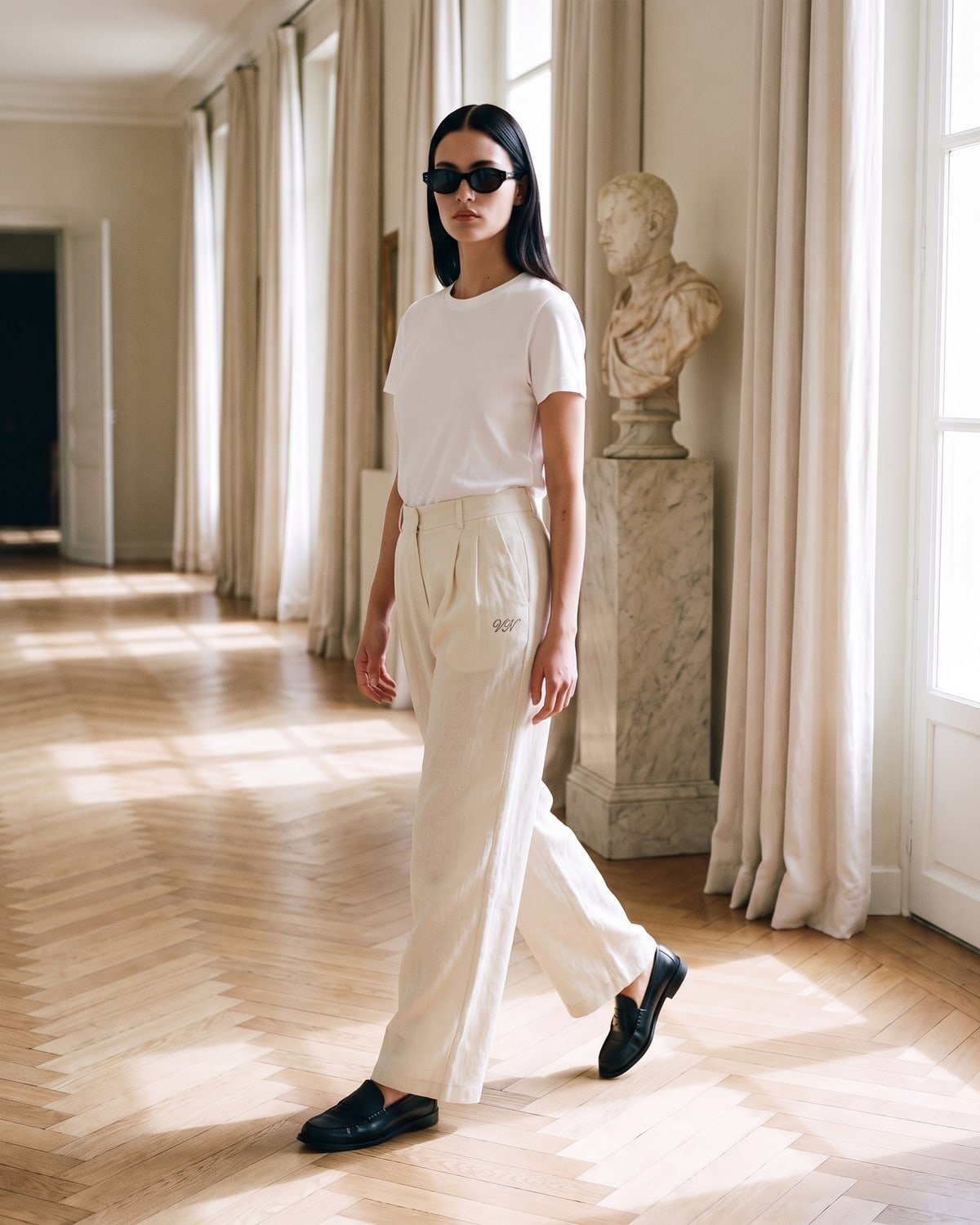
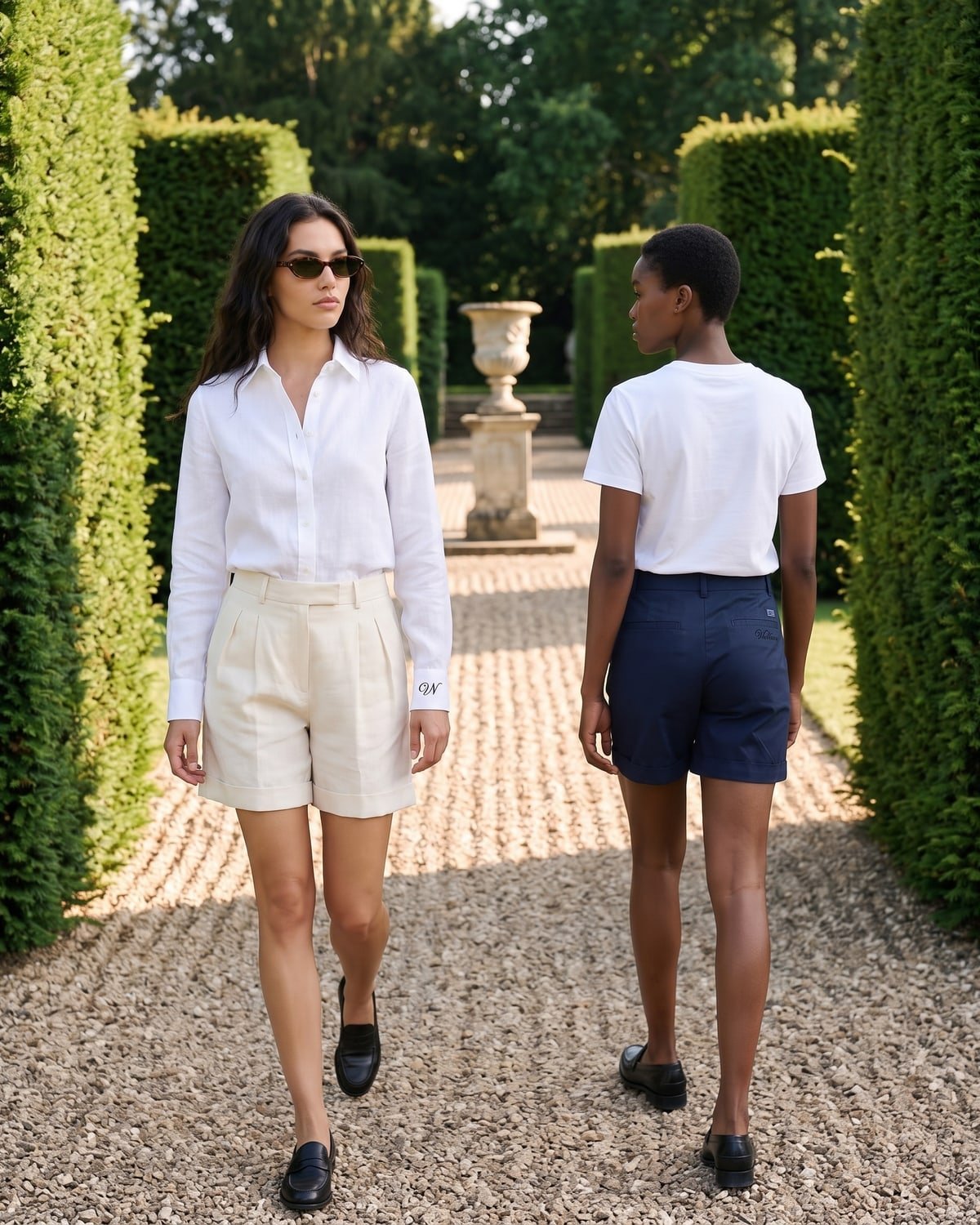
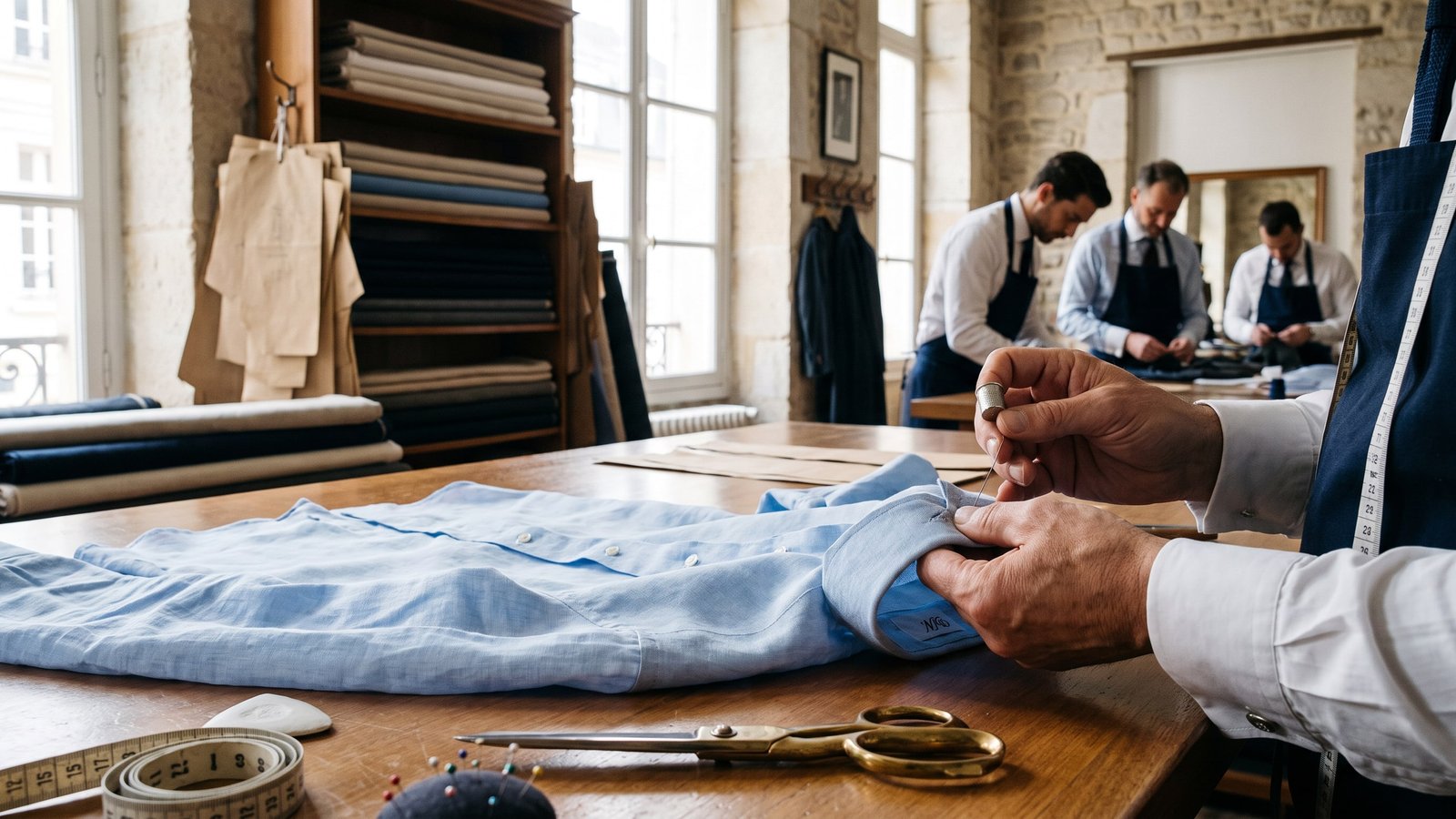
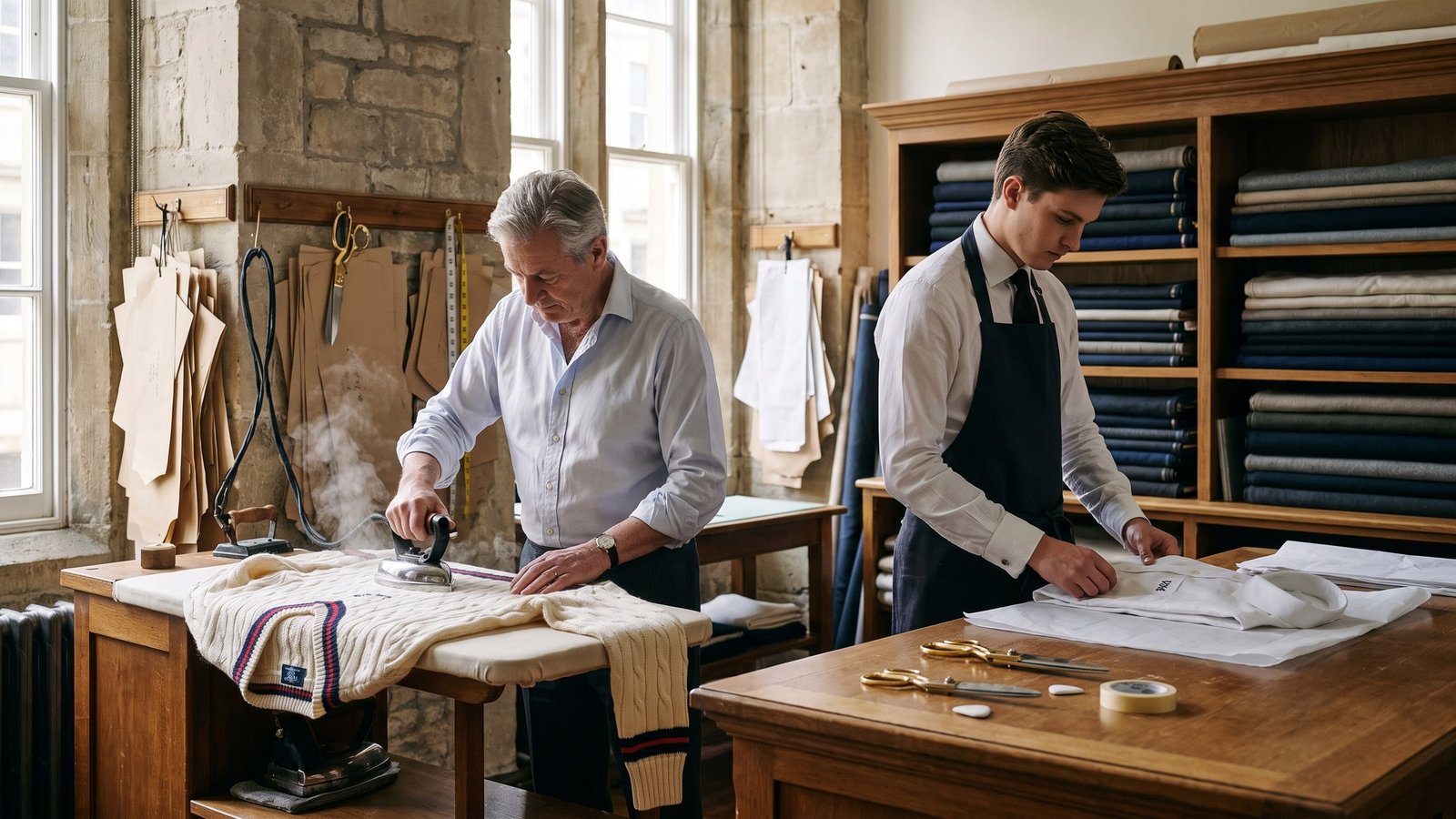
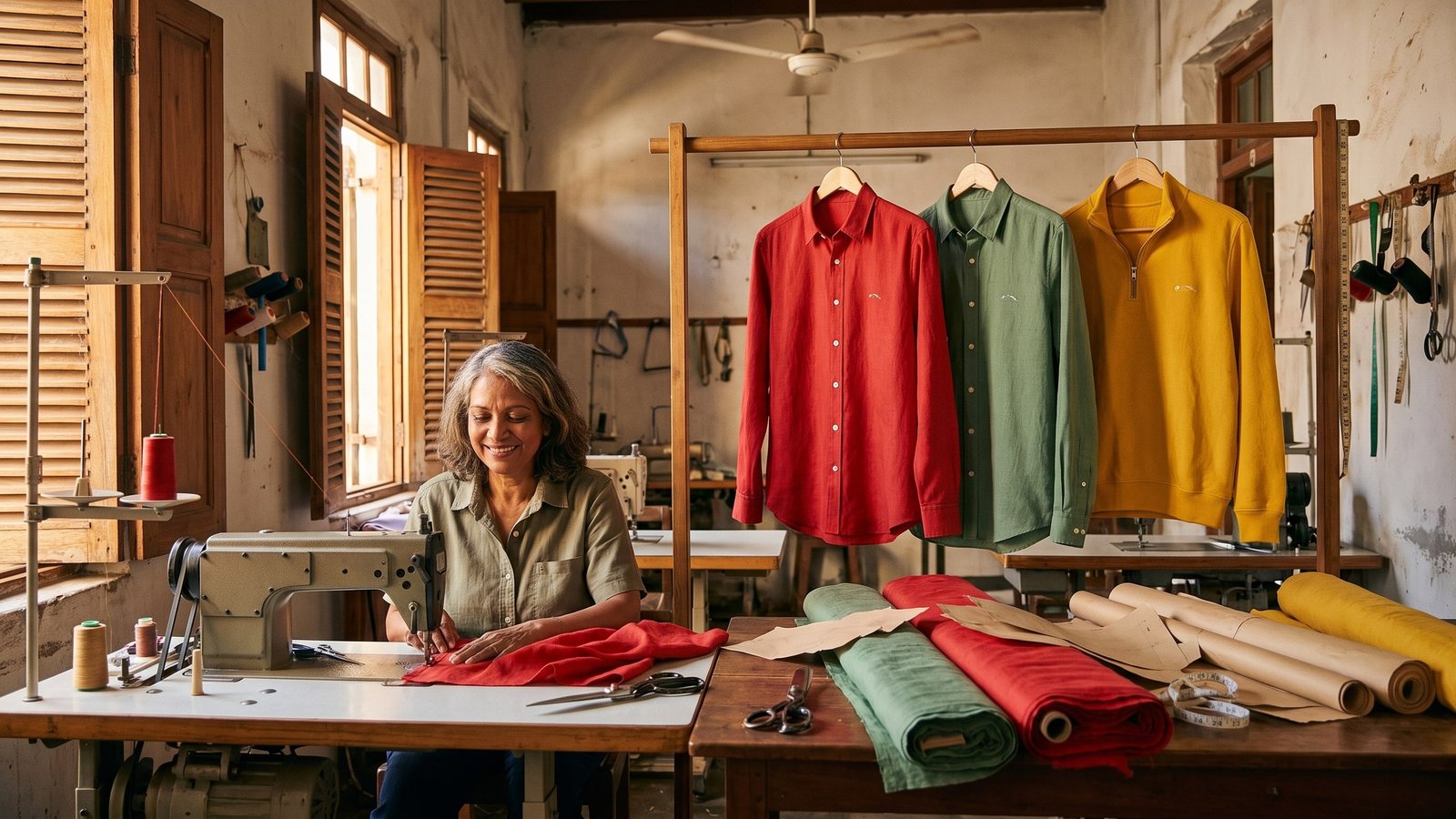
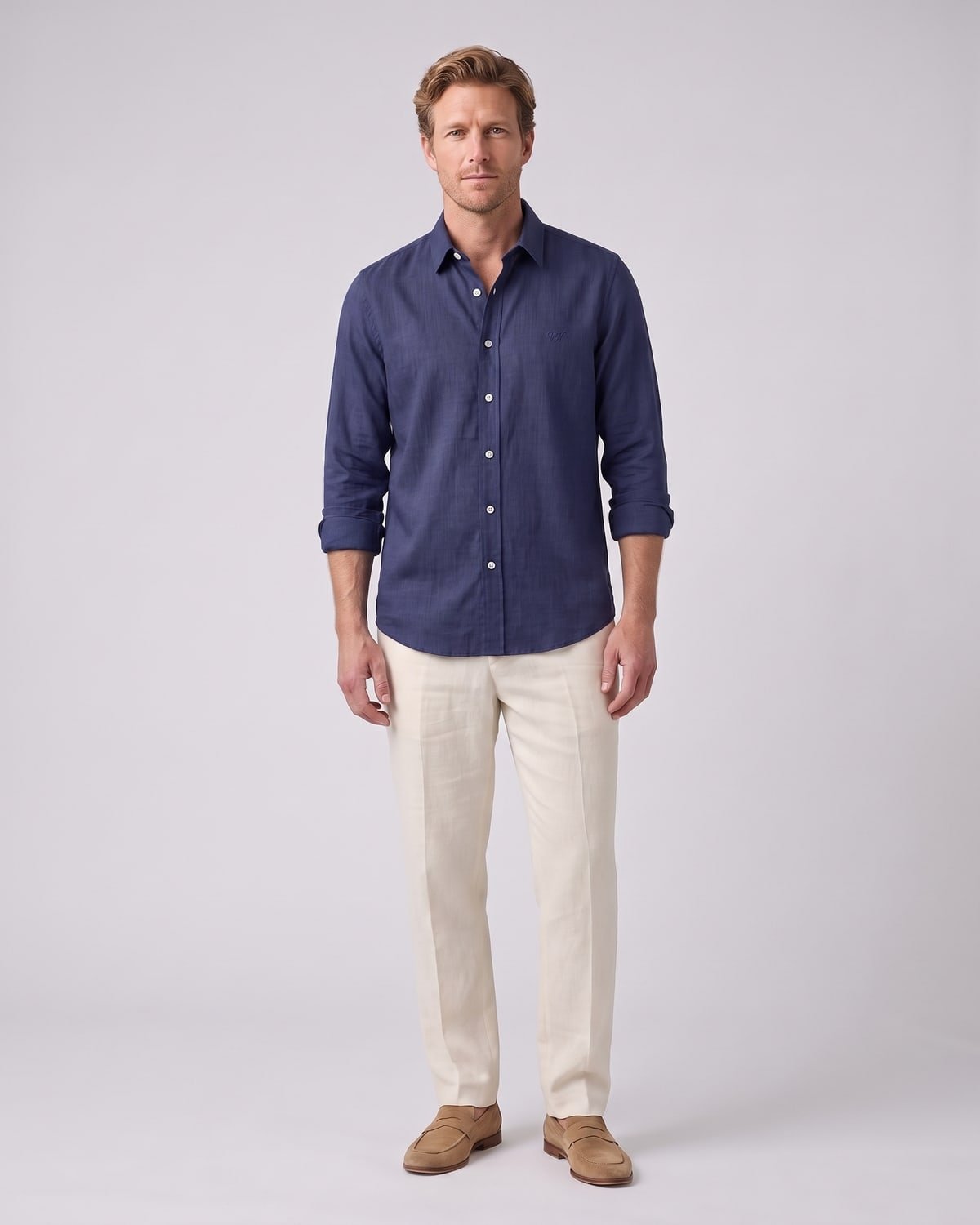
Cut and sewn by hand in Mauritius, an island that has made fine knitwear and tailoring for half a century. Cloth chosen to last: a piqué heavy enough to hold its collar, linen that is allowed to crease, a knit for the drive home. Signature, always in stock. Limited edition, made once in small numbers, then gone. Any Signature piece made to order, adjusted to fit. Repaired for life, so the price is paid once.
The intent
Nothing on a piece is there by default. The weight of a cloth, the depth of a collar, where a mark sits and how small it is: each one a decision, taken once and kept. Fewer things, made on purpose, and made properly. All in, then rest like you mean it, like the badger on the label. Shine, don’t shout.
The integrity
The inside gives more than the picture promised. What is said about a piece is true of it, and what is promised is kept: never restocked means never restocked. The name is borrowed from the natural world, so the brand pays rent: 1/5 of profits goes to creating and sustaining the environments we love wearing the pieces in, published with the accounts every year.
Inspired by nature.
Letters
We write when there is a story worth telling, a voice worth hearing or a piece worth wearing. So you can experience them first.